Home / Industries We Serve / Retail and Restaurant Chains
Share the location list, operating calendars, roof plans, leak history, and access requirements. We will define inspection or repair windows that account for customers, vendors, and the roof assembly.
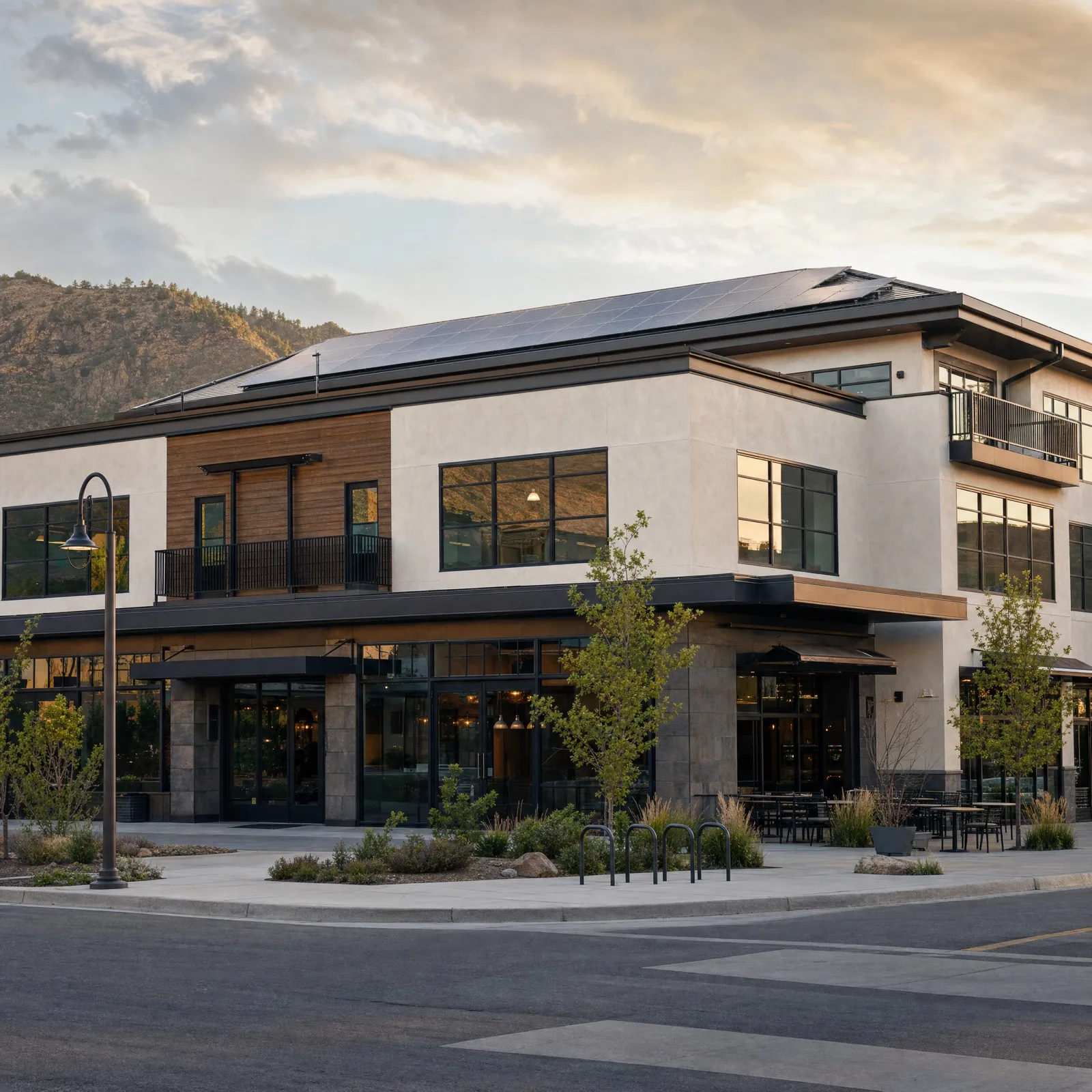
We confirm store hours, deliveries, trash pickup, drive lanes, customer entrances, roof access, and lift placement before the visit. A storefront may need an early-morning or after-hours work window. A shared shopping center can also require property-manager approval and tenant notice. We mark the work zone and agree on how customers and staff will pass below it.
For a new location, confirm whether the roof is controlled by the tenant, landlord, or a center association. Responsibilities for drains, canopies, equipment curbs, and emergency access can differ within one shopping property. We record who approves roof entry and who receives the closeout photos. The scope can then separate work on a tenant-controlled penetration from repair to a shared roof area.
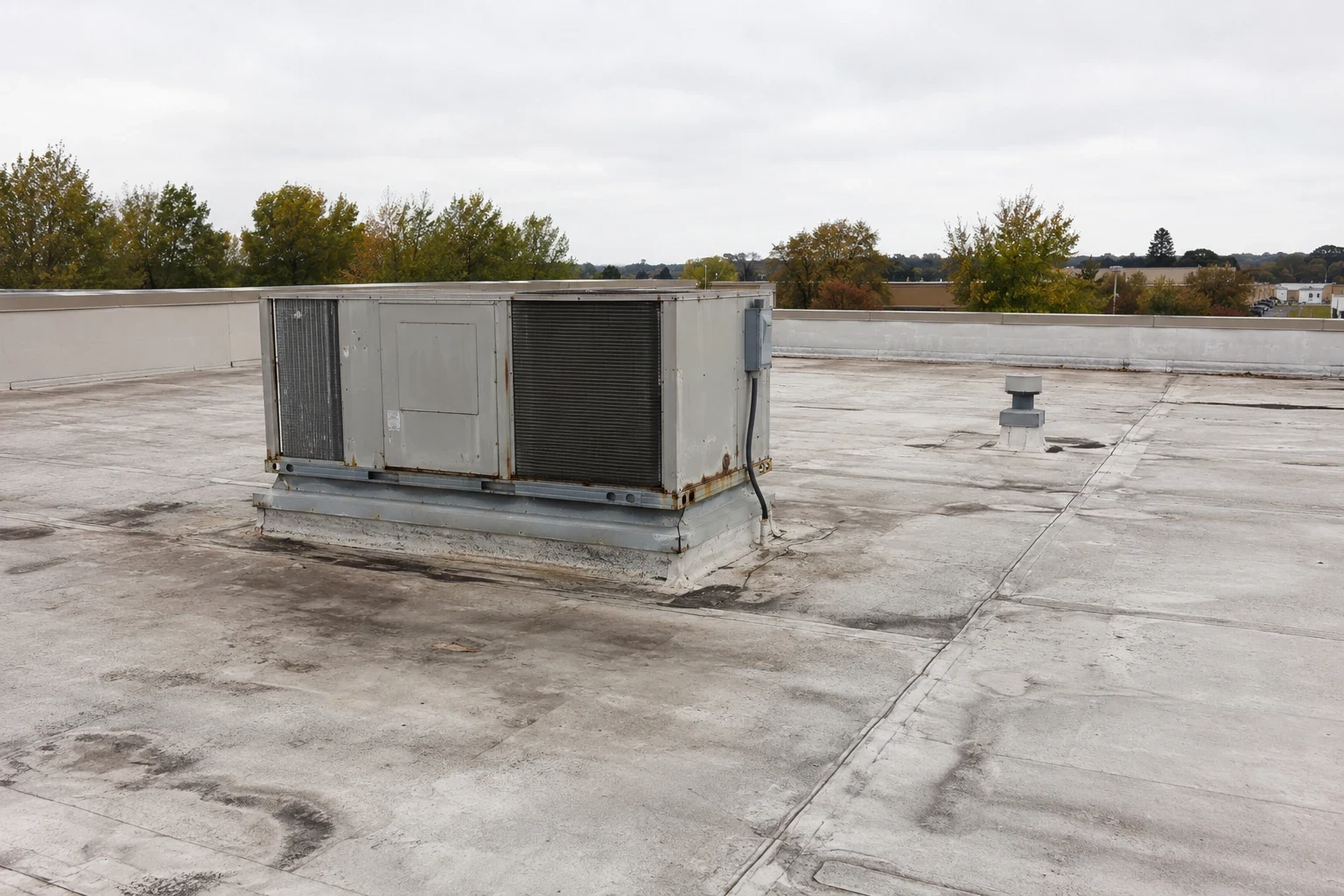
Kitchen exhaust service and refrigeration work can overlap with roofing. The facility contact identifies equipment that must remain online and any roof routes used by vendors. We inspect for displaced flashing or punctures near service paths, then coordinate repair timing with the store operator. In multi-tenant properties, property management coordination can align access responsibilities without treating the landlord and tenant as the same decision-maker.
Water over a sales floor may travel from an upslope seam, parapet, drain, or equipment curb before it reaches a ceiling tile. In a restaurant, moisture near exhaust equipment may also come from condensation or cleaning activity. We compare the reported room and time with roof slope, rain conditions, drains, penetrations, and prior repairs. A leak investigation records the suspected path and the evidence needed to confirm it.
Active water needs fast coordination. Our emergency coverage runs all hours, including holidays, so an operator can address immediate exposure and interior protection. After temporary control, we check the membrane, insulation, and deck around the reported area. A small flashing defect may allow a localized repair. Wet insulation or repeated seam failure can broaden the scope, so we verify before scheduling permanent work.
Standardize the information collected at each address: roof system, access conditions, drain layout, active defects, photos, test results, and next action. Keep each finding tied to its store and roof zone. A chain may have membrane roofs at several sites, but a shared brand does not make the attachment pattern or repair history identical.
Use the location record to track store number, roof area, system, symptom, repair date, photos, and repeat call status. A similar stain at two restaurants does not establish a shared cause. One may follow an exhaust curb; another may trace to an obstructed drain. Comparing the evidence can show where a repeated repair detail merits review without assuming the roofs were built or maintained alike.
A scheduled roof inspection can collect comparable information for regional facilities teams. We can group visits through multi-site roof coordination while preserving a separate condition record for every location. Use the same urgency labels across the portfolio, then review access, tenant responsibility, and budget timing site by site.
A localized puncture or curb failure can often be addressed without closing a full store. We inspect surrounding material, confirm the repair boundary, and schedule protection for merchandise, food-preparation areas, and customer space. If wet insulation or several failed details appear, additional testing may be needed to define the full extent before opening a larger section.
Before a larger scope, confirm whether refrigeration units, make-up air equipment, or vendor walk paths will remain active. Protect food-preparation areas from dust and debris, and identify any merchandise that must be moved before the roof is opened. Work sequencing can then account for both the assembly and how the store functions each day.
Where repeated repair does not address a deteriorated assembly, replacement planning can sequence work by store or roof zone. The scope should show entrances, parking, deliveries, staging, odor or noise controls, and daily close-in. A recover is considered only after reviewing layer count, deck, attachment, drainage, edge height, and applicable code requirements for that individual property before selection. Equipment curb height and transition details also need to fit the added assembly. For hospitality properties with overnight guests or event schedules, coordinate with hotel and hospitality roof planning.
Nearby Detroit climate normals show snowfall and a substantial seasonal temperature range. Snow and ice can limit roof visibility and safe access. Meltwater that remains near a drain or edge can stress a weak seam when temperatures fall. Those normals are regional context, not a statement about a specific store’s roof loading. We record current conditions and reschedule concealed or unsafe details.
Reports should make it easy to route the next action: identify the responsible contact, temporary controls, confirmed defect, and follow-up date. Include the building reference with every photo so an operations manager does not have to infer which storefront or roof zone it shows. Where the owner needs a longer capital view, preserve the inspection baseline and note changes on the next visit.
Before a holiday or seasonal sales period, preventive roof maintenance can clear accessible drains, check flashing, and document areas needing attention. Share store calendars, delivery windows, roof plans, leak history, and vendor access rules. We will return a location-specific action list so the operations team can decide what needs immediate repair and what can be scheduled later.
Yes, when access, safety, weather, and close-in allow. We confirm the work zone, customer route, delivery schedule, and equipment restrictions with the store contact.
Possibly. We check curb flashing and nearby seams, then compare the moisture pattern with exhaust, condensation, and cleaning activity before assigning a cause.
A common reporting format helps comparison, but each roof needs its own system review, repair history, access plan, and verified scope.
We sequence roof zones, define daily close-in, and coordinate entrances, deliveries, parking, noise, and interior protection with store operations.
Provide each address, roof plan, system records, prior repairs, leak reports, operating calendar, and landlord or tenant access requirements.
Share the location list, operating calendars, roof plans, leak history, and access requirements. We will define inspection or repair windows that account for customers, vendors, and the roof assembly.