Home / Roofing Capabilities / Multi-Site Commercial Roof Programs
Share the building addresses, roof records, access contacts, current work orders, inspection cadence, and budget calendar. We will establish consistent portfolio reporting while keeping each roof's evidence and scope distinct.
Start with the property list, street address, building identifier, roof section names, primary contact, access rules, and available plans. Where one campus contains multiple structures, give each roof a separate record so a repair at one building does not appear to close an issue elsewhere. Capture assembly details only when supported by a survey, drawing, invoice, or other record, and label source and date. Unknown system information should remain unknown until verified.
Set common fields that make records comparable: last inspection, active leaks, open repairs, known warranties, access limitations, next review, and evidence location. Standard fields help a facilities team compare status; they do not make two roofs technically identical. A roof asset management record can hold plans, photos, certificates, and repair notes in one building-level history. Keep source documents attached so a portfolio summary can be checked against the original evidence.
Define who can submit changes and who confirms completion. A date entered by a vendor, a work order marked closed, and a roof condition verified in the field are different events. Preserve those distinctions in the record. This is especially useful when property operations and capital approvals belong to different teams.
Set inspection frequency from observed conditions, owner priorities, warranty requirements, and the risk profile of each building. Do not impose one calendar solely because several roofs belong to the same company. A property with recurring drainage concerns may need closer follow-up than a stable roof with a current inspection record. Any schedule stated in a warranty should be read from that document and confirmed with its issuer when unclear.
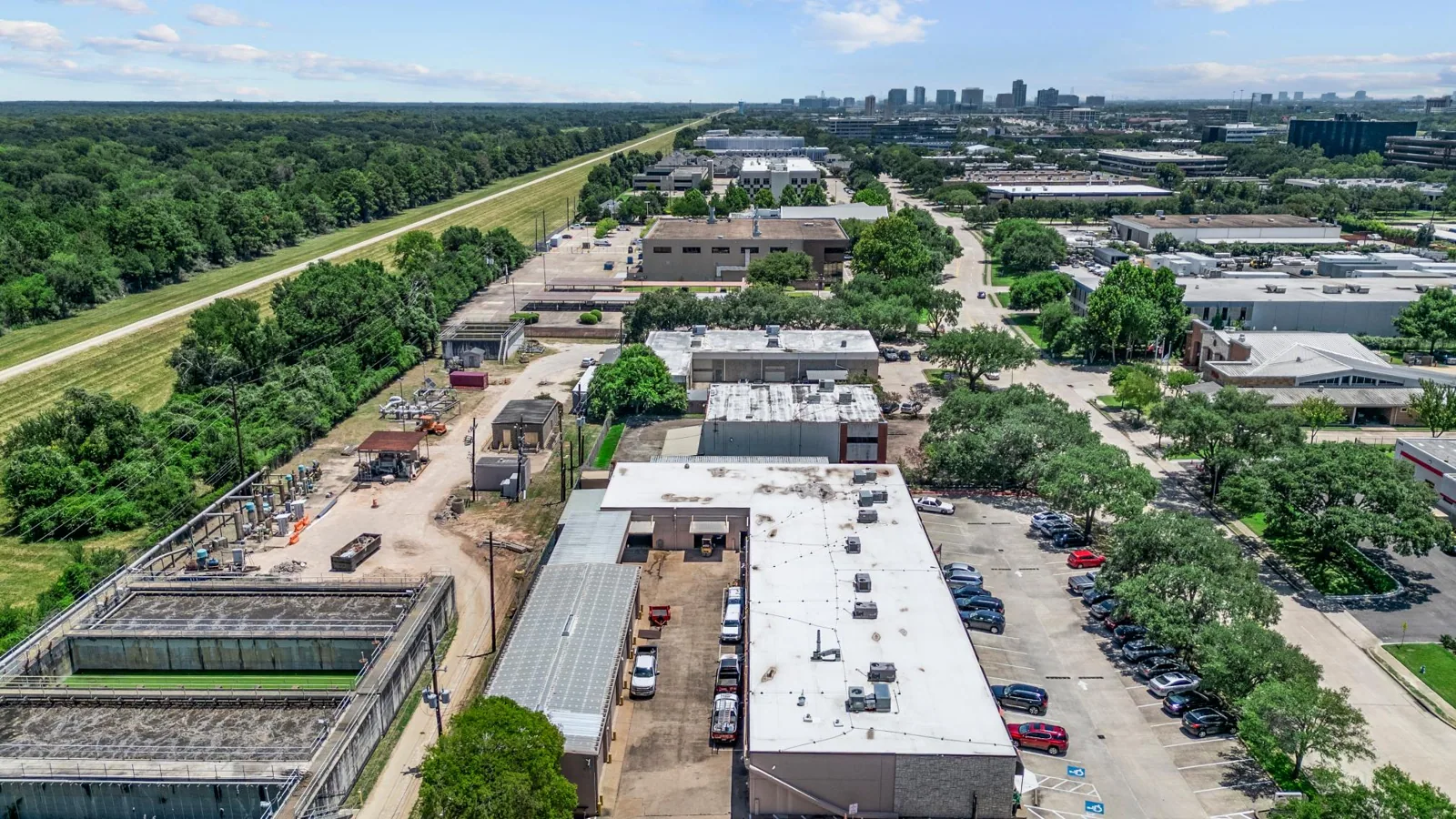
Coordinate escorts, keys, lift access, occupied hours, equipment clearances, safety procedures, and weather limits before dispatch. The Sterling Innovation District extends along an industrial corridor between Van Dyke Avenue and Mound Road, while Lakeside City Center is a city-approved mixed-use redevelopment concept. Those settings suggest different types of site coordination, but they do not establish access rules for a particular address. Confirm operating windows and roof access with each property contact.
A commercial roof inspection can establish current observations. A photo-based condition report provides a repeatable handoff for findings, limits, and recommended actions. If conditions prevent access, list the omitted areas and reschedule them instead of counting an incomplete visit as a full inspection.
Portfolio ranking should show why a project sits where it does. Consider verified active exposure, consequence of delay, repair complexity, open testing, access dependency, and the owner's operating priorities. Identify the evidence supporting each score. A numeric rank can focus discussion, but it should not imply a precise failure date or replace a building-level review.
Separate immediate protection from scheduled repairs, further investigation, and larger capital options. If three roofs show similar surface wear, their locations, drainage, penetrations, prior repairs, and moisture evidence may still differ. Report those differences next to the portfolio rank. Emergency response can address urgent openings, while preventive maintenance can track routine drainage and detail work. Keep each work item tied to the roof and area where the observation was made.
When one recommendation relies on uncertain concealed conditions, state what test or opening would clarify scope. Do not allow a provisional allowance to read as a confirmed defect across every site. Close the loop when test results or completed repairs change the evidence.
Use a common work-order format for location, reported symptom, inspection finding, approved scope, exclusions, access requirement, responsible party, target date, and completion evidence. Common fields make administration faster, but the technical scope should be written for the actual roof. Repeating a repair detail across sites without checking assembly and warranty conditions can create avoidable rework.
For every closeout, retain dated completion photos, materials and detail notes when supplied, unresolved conditions, and any recommended return visit. Separate temporary weather protection from permanent correction. If a service request remains open because the owner, consultant, or issuer must decide something, mark that dependency and next action. Commercial roof repair can be assigned to a defined defect after its cause and work limits are reviewed.
Manufacturer records and certificates belong to the site that they identify. Changes to equipment, solar, coatings, or roof access should be checked against the relevant project and warranty documents. A portfolio tracker should surface those reviews, not infer approval across all properties from one site's paperwork.
At the annual review, compare open actions, updated inspections, completed repairs, and known access windows against each property's budget cycle. Group work when shared mobilization or procurement is practical, but keep quantities and assumptions traceable to individual buildings. The GM Technical Center in nearby Warren is an engineering and research campus; it is one example of the region's varied mix of institutions, not evidence about another asset's roof or procurement needs.
A roof capital plan can show near-term protection, testing, scheduled repair, and replacement consideration as separate options. Identify scope dependencies such as deck condition, tear-off, equipment shutdown, staging, and tenant coordination. For a purchase or refinance, a due-diligence roof survey can establish a dated baseline and flag missing records before the asset joins the regular portfolio cadence.
Agree on who receives reports, who approves proposals, and how emergency notices are routed. A useful program produces a current building-level record, a portfolio summary with visible uncertainty, and a clear next action for each open issue. Share the property list, prior reports, current contacts, work-order conventions, and approval calendar so the program can fit your operation.
A shared calendar can coordinate work, but visit frequency should account for each roof's condition, access, warranty terms, and owner priorities.
Use common decision fields such as verified exposure and open investigation, then retain the building-specific evidence beside each rank.
Sometimes. Confirm assembly, scope, access, materials, and operating windows at every site before treating work as a shared project.
Keep plans, inspection reports, photos, warranties, repair scopes, closeouts, leak history, access notes, open approvals, and next actions by building.
It can organize timing scenarios from documented conditions and assumptions. New findings, testing, and budget decisions can change the sequence.
Share the building addresses, roof records, access contacts, current work orders, inspection cadence, and budget calendar. We will establish consistent portfolio reporting while keeping each roof's evidence and scope distinct.