Home / Commercial Roofing Services / Commercial Roof Maintenance
Send roof access instructions, available assembly records, and any leak or detail to inspect first. We will map the findings, identify repair priorities, and set a practical time to revisit the roof.
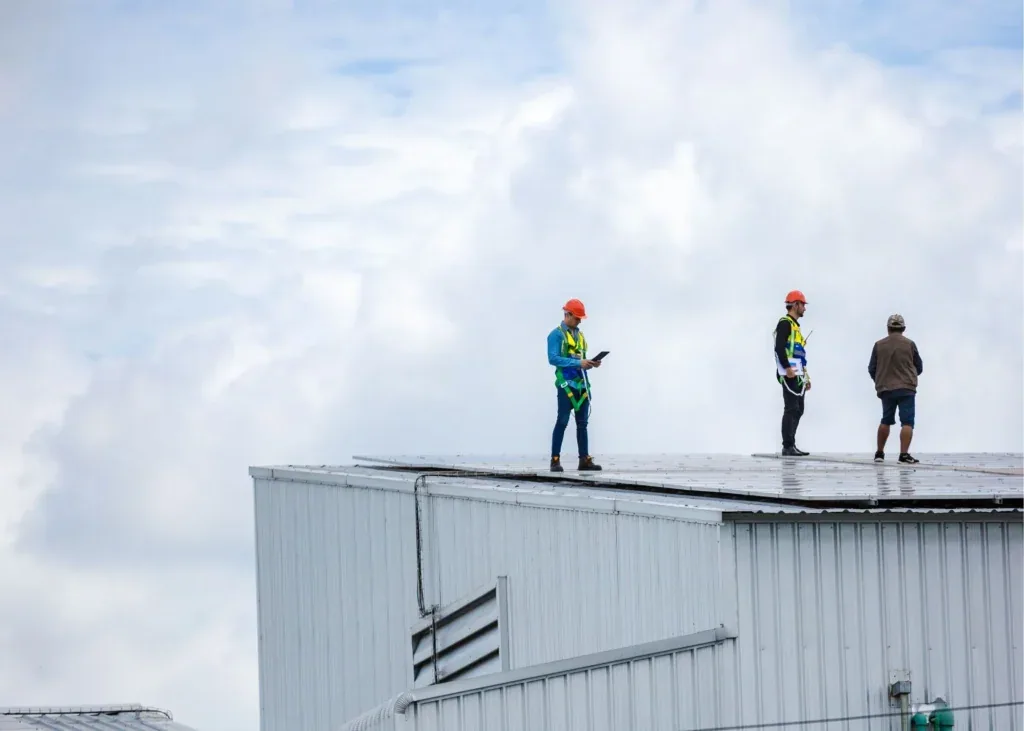
A maintenance visit starts with a repeatable route. We check field seams, patches, penetrations, edge restraint, curbs, drains, scuppers, and accessible metal transitions. Each observation gets a location and a condition, not just a photograph without context. A small split near a curb may need attention before water reaches insulation. A surface mark with no bond failure may only need to be monitored. We distinguish those findings so the owner can separate repairs from items that belong on the next inspection.
The route should include areas with service traffic. Equipment work can loosen a boot, leave a fastener, or press a cart wheel into the membrane. We inspect the travel path and the details around rooftop units, then note any trade activity that may have changed the roof since the last visit. A hands-on roof inspection can set the first condition record. Later visits compare the same points, so a change in a seam or drain is easier to identify.
Debris at a strainer can hide a slow outlet, while ponding away from the drain can point to a low area, crushed insulation, or a blocked route. We inspect the bowl, sump, strainer, overflow, and surrounding membrane together. The goal is to see whether water can reach the outlet and leave the roof without crossing a damaged seam. Where a drain detail has loosened, we scope the correction rather than relying on recurring cleanup alone. The drain and scupper work can be added to the maintenance list with its location and reason.
Detroit climate normals show a typical year with substantial snowfall and a wide change between winter and summer temperatures. That is regional reference data, not a Sterling Heights roof-load measurement. Snowmelt can expose a blocked drain or refreeze at a low point, so seasonal visits look for standing water, ice damage, and open joints around outlets. The Sterling Heights Mound Industrial Corridor includes manufacturing and industrial uses, but a maintenance schedule should reflect a specific property’s operations and assembly.
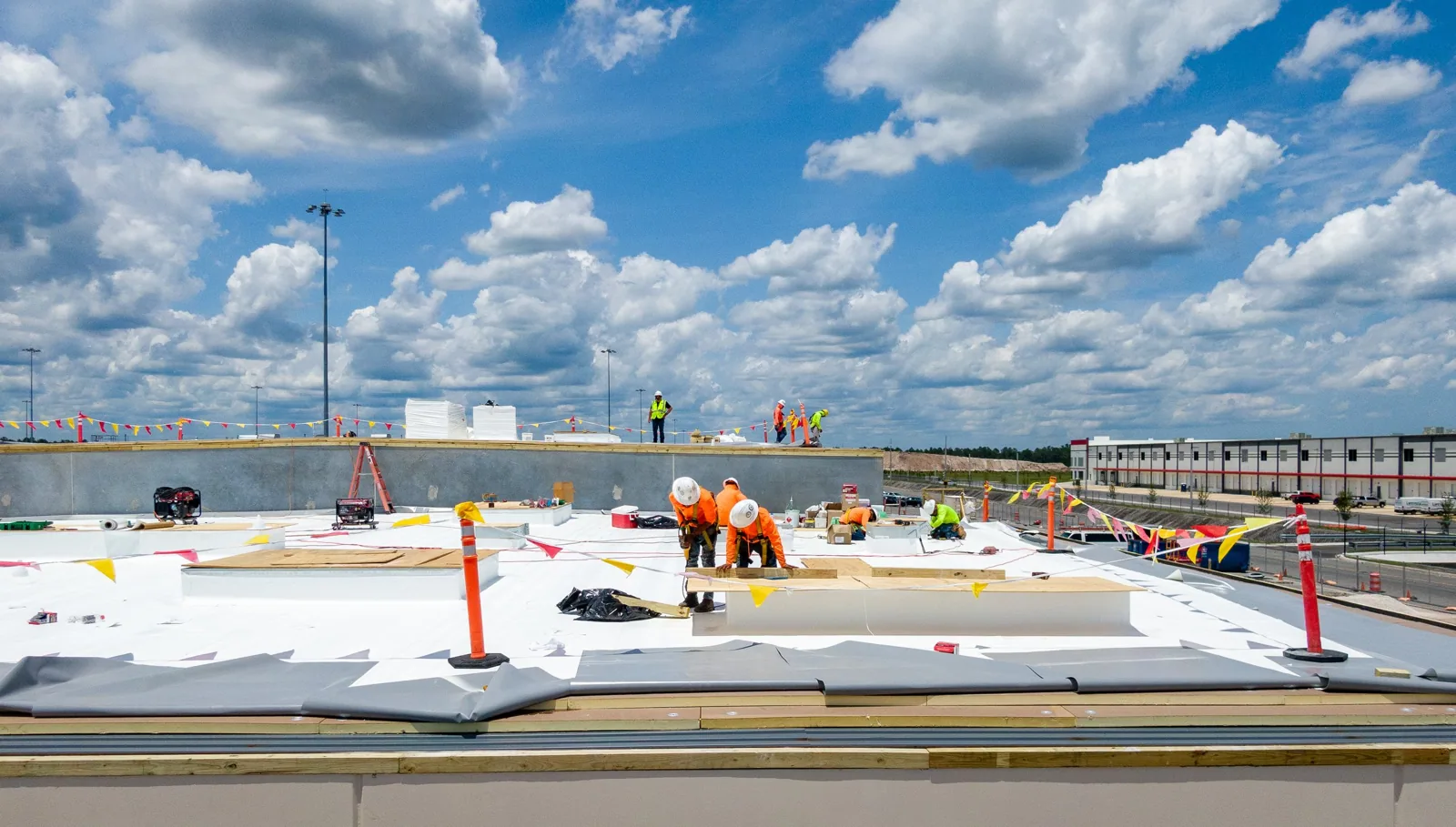
Seams should be checked for separation, fishmouths, wrinkles that carry water, or edges that have lifted from a previous patch. On adhered systems, we look for loss of bond and changes near transitions. On mechanically attached roofs, we inspect fastener rows and sheet movement without assuming every visible wrinkle means failure. A TPO assembly and an EPDM assembly have different seam construction and repair methods. We match the inspection to the installed material before proposing a patch.
Patch history matters because a repair can cover an older defect or create a new edge where water collects. We map prior patches, check their margins, and note any mismatch between the repair material and the field membrane. If the next action depends on moisture below the surface, an infrared survey or test cut may help narrow the area. Maintenance does not require opening a sound roof without a reason. We test where the result will change the repair boundary or the larger plan.
Metal flashing changes length as temperatures move through the year. We look at laps, cleats, sealant joints, and terminations for gaps or fasteners that have backed out. At a parapet, loose coping can admit water behind the roof edge even when the field membrane appears intact. At a curb, the metal counterflashing may separate from the wall or equipment base. We record where movement appears and check whether the attached membrane still has sound support. Edge-metal work addresses the detail that moved, not every sheet of metal by default.
The city identifies industrial and advanced manufacturing along Mound Road and the Van Dyke corridor. That local building mix can include active rooftop equipment, but we do not infer the equipment or roof layout at a particular facility. We inspect what is present, check for abandoned supports or unused penetrations, and note whether maintenance access is wearing the membrane. If a curb needs rebuilding, the scope can include safe equipment coordination and a close-in plan.
Detroit’s normal January temperatures sit far below July readings, and its annual snowfall average is about 45 inches. Those nearby station records provide context for scheduling and access. They do not describe the exact conditions on a Sterling Heights roof. We plan around the surface, forecast, and safe access at the time of inspection. Snow cover, ice, or a wet membrane can limit what we can see or walk. In those conditions, we record the limitation and return when the assembly can be inspected safely.
A maintenance calendar may include a spring check after freeze-thaw exposure and a fall visit before sustained cold, with additional visits after significant weather or rooftop work. Frequency depends on the roof system, drainage, occupancy, repair history, and owner requirements. Our roof asset management can keep findings, photographs, repairs, and future review dates in one record. The useful schedule is the one that follows the roof’s actual changes and the building’s access windows.
A maintenance report should identify the defect, its location, the likely path for water, and the next action. We sort active leaks and open details from early wear that can be watched. If moisture is suspected, we identify how to confirm it. If a seam is open, we document the repair length and tie-in points. This makes the work list usable for budgeting and scheduling. It also helps a property manager compare findings from one visit with the next instead of starting over from memory.
We can pair scheduled maintenance with commercial roof repairs and written condition findings, then note what remains for a later phase. Send roof access instructions, assembly records, and the detail or leak area you want checked first. We will inspect the roof, show which items need repair, and identify what should be revisited at the next service window.
A location-based condition record with photographs, repair priorities, and items to monitor. We note the assembly and the details checked, then distinguish active defects from conditions that can wait for another visit.
A covered or icy surface limits what can be checked safely. We inspect accessible areas, record what remains obscured, and return when conditions allow a complete review. Nearby Detroit snowfall data helps with seasonal planning, but does not replace the site conditions.
Yes, when the defect is clear and the repair can be completed safely with compatible materials. We document what was repaired and identify any related condition that needs a separate scope or test.
We mark the area and use infrared indications or test cuts when moisture confirmation will change the scope. A surface stain alone is not enough to define wet insulation or the repair boundary.
We plan roof access, staging, and any disruptive work against the building’s operating schedule. The timing depends on the repair, weather, and where crews need to work. We confirm those limits before the visit.
Send roof access instructions, available assembly records, and any leak or detail to inspect first. We will map the findings, identify repair priorities, and set a practical time to revisit the roof.