Home / Commercial Roofing Services / 24/7 Emergency Commercial Roof Repair
Share the affected room, roof access instructions, active water status, and equipment or routes needing protection. We will assess the roof, secure the immediate opening, and document the permanent repair needed.
We ask where water is entering, which rooms or equipment are affected, whether the leak continues, and what changed before it began. A roof plan, interior photo, and safe access instructions help narrow the first inspection area. The ceiling stain may sit below a seam, curb, drain, or wall detail elsewhere. We do not set a lasting repair boundary from the stain alone.
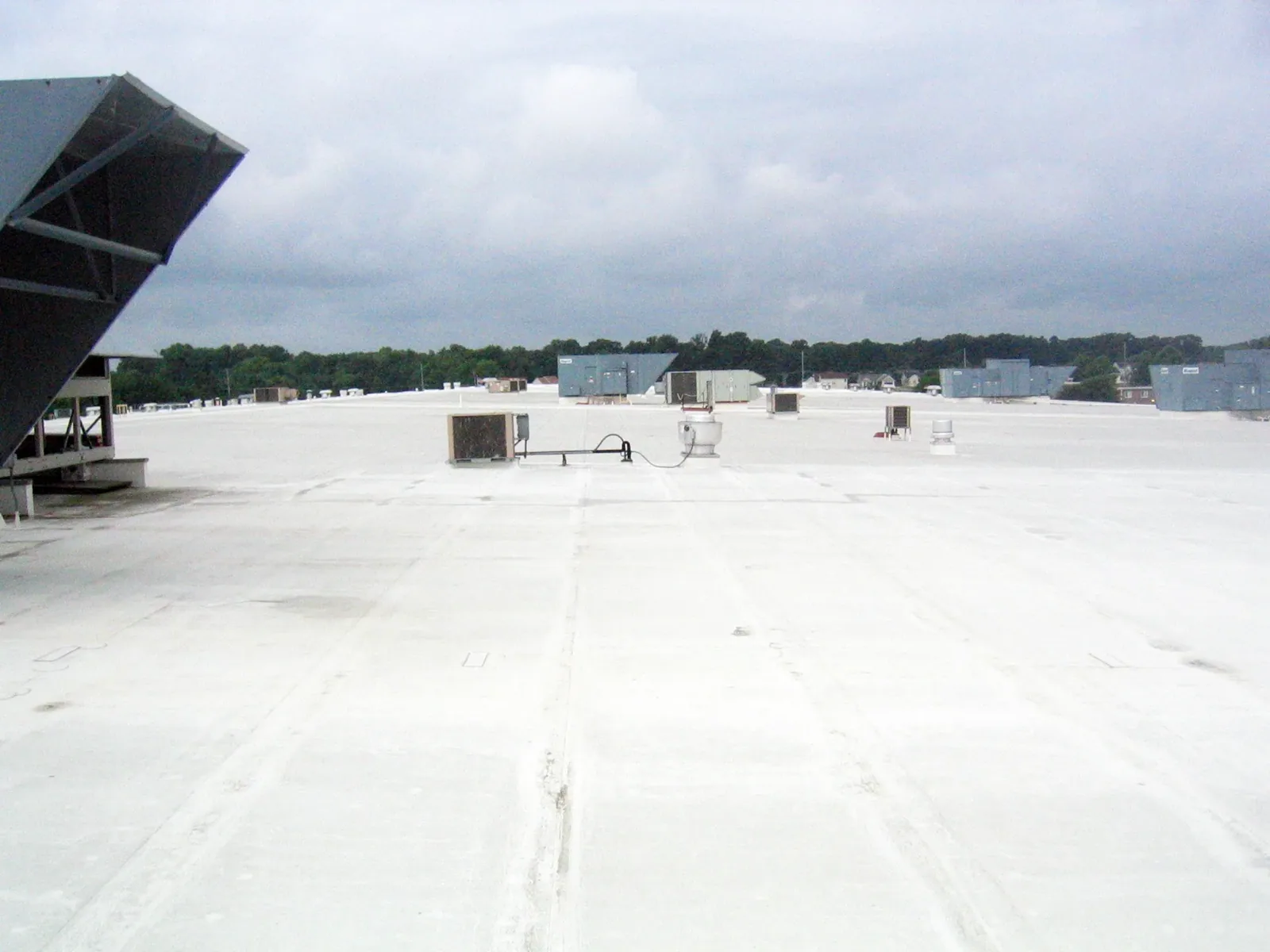
At the roof, we look for displaced membrane, open laps, punctures, failed flashing, blocked outlets, and loose metal. We record weather exposure, visible wet insulation, and any area that cannot be reached safely. The initial report separates observed damage from suspected cause. A test cut or moisture scan comes after the roof is safe and only where the result changes the next scope.
Below the roof, the facility identifies sensitive equipment, records, inventory, public routes, and rooms that need protection. We coordinate interior measures with the site contact. Photos show the affected roof zone and temporary work, while leaving confidential information out of the record.
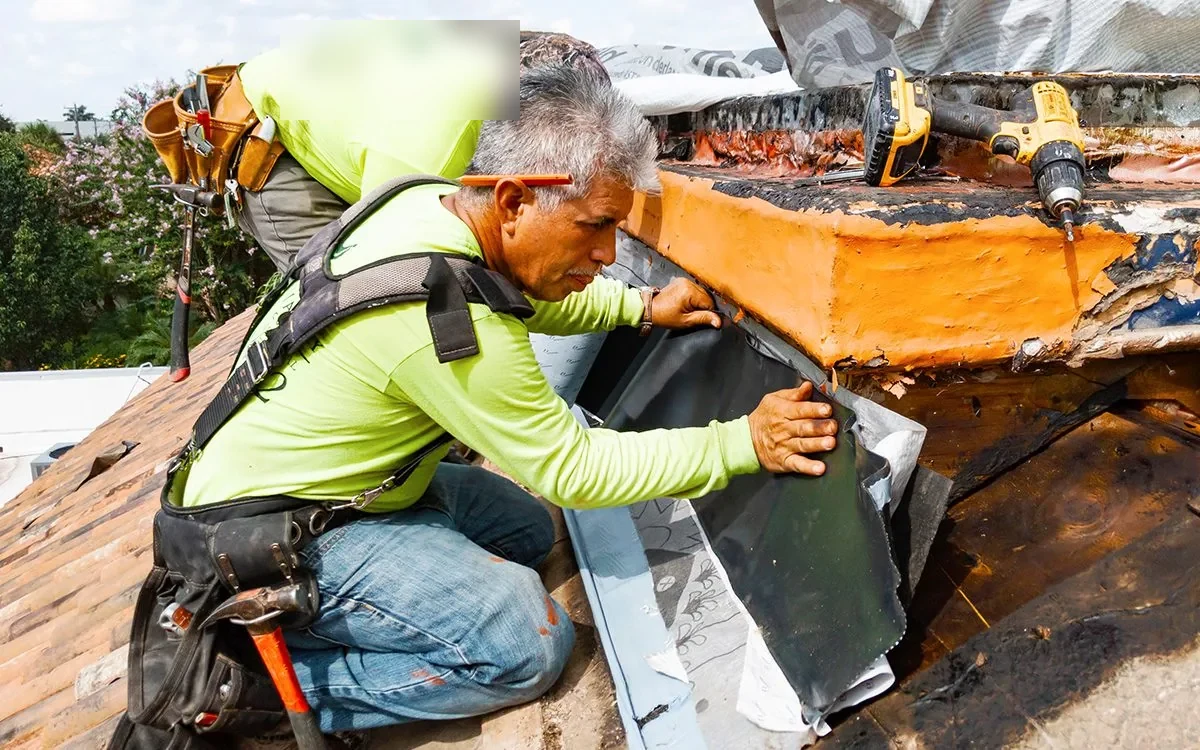
Temporary protection may use a secured tarp, compatible patch, drain clearing, or a dry-in detail, depending on the assembly and weather. The goal is to direct water away from the building and keep the opening stable until permanent work can proceed. A cover must be attached against the actual wind exposure and should not block a drain or overflow route.
We mark where temporary material begins and ends, photograph its attachment, and state what remains untested. If water has reached insulation or the deck, dry-in may reduce entry without resolving hidden moisture. The owner receives that distinction before the temporary measure is treated as a completed repair.
When access is limited by darkness, ice, or equipment movement, we do not open more roofing than can be protected. The facility contact confirms safe roof entry and any route that must remain available. A return visit can trace the source more fully once conditions permit.
Emergency water can enter at a seam, curb, drain flange, skylight, or perimeter joint. We follow the slope toward low points and check whether a blocked outlet has pushed water against an otherwise dry detail. A leak can also travel below the membrane before it reaches an interior room. The roof route and the indoor report are recorded separately until testing connects them.
Snowpack can hide an overflow opening, and a thaw followed by refreeze can load a low outlet with ice. We inspect the actual drain and scupper after access is safe, then record any obstruction or backed-up water before choosing the permanent correction. We inspect actual outlets and note any detail concealed by snow or unsafe access.
During a storm or freeze, safe access and materials may limit what can be permanently repaired on the first visit. We protect the opening, identify the next inspection need, and return to verify the assembly when conditions support a durable tie-in. Confirmed drain and scupper work can be scoped with the permanent membrane repair.
We coordinate roof entry, ladders or lifts, interior barriers, deliveries, and any equipment shutdown with the authorized site contact. A hospital, retail center, and production building can have very different routes and operating limits. The Golden Corridor’s mix of uses makes local scheduling context, while the building’s own access plan determines staging.
Work above an entrance, loading dock, or occupied room needs a clear boundary below. The facility identifies fire lanes, public doors, secure areas, and staff routes that must stay open. Temporary protection is checked before the crew leaves. Loose materials, tools, and debris are removed or secured, and affected drains remain open.
Near the Sterling Heights Mound Industrial Corridor, manufacturing schedules may limit when a roof can be entered or a work area isolated. The facility supplies those constraints. We plan permanent work around the actual roof and production window rather than assuming availability from the business district.
After the roof is safe to examine, we identify the membrane or metal system, inspect the suspected route, and test layers where needed. Failed material is removed to a sound edge. Wet insulation is replaced when confirmed, and the flashing or seam is rebuilt to match the assembly. If the deck is damaged, the report shows the added boundary for review.
Temporary patches are not assumed to be permanent. We inspect attachment, substrate, and adjacent details before closing over the area. At a curb, the repair ties into stable metal. At a drain, the patch preserves flow. If tests show a wider problem, the owner sees the evidence before the scope expands.
For the lasting correction, commercial leak repair traces and closes the confirmed entry path. A broader roof repair may include connected seams or edge details, while a condition inspection maps repeat failures before renewal is considered.
The emergency record identifies the reported interior area, roof zone, visible damage, temporary measure, materials used, and next inspection required. Photos show the roof condition and the protection boundary. It states whether the source is confirmed, suspected, or still concealed. That keeps temporary response separate from permanent repair approval.
Send the address, leak location, interior exposure, access contact, roof plan, and any safety or security rules. Identify the rooms, equipment, or goods needing priority protection. We will confirm what is active, secure the approved area, and return a repair path with timing for permanent work.
A roof condition report can preserve the emergency finding with later test results and repair photos. The next action may be a seam rebuild, drain correction, curb flashing, or a larger assembly review. We document what is done and what remains open.
Yes. Response is available around the clock, including weekends and holidays. Safe access and site rules determine the work that can be completed on arrival.
No. A tarp or dry-in limits immediate water entry. We inspect the assembly and define permanent work separately.
Give the address, affected room, whether water is still entering, roof access details, and any equipment or routes that need protection.
The crew can assess conditions, but ice, wind, or poor visibility may limit safe roof access and permanent tie-in. We protect what can be reached and document the return work.
A surface view cannot answer that. We use a moisture scan or test cut where it changes scope and replace wet material when inspection confirms it.
Share the affected room, roof access instructions, active water status, and equipment or routes needing protection. We will assess the roof, secure the immediate opening, and document the permanent repair needed.