Home / Roofing Capabilities / Commercial Roof Condition Reports
Share the property address, roof plans if available, known leak locations, access restrictions, and the decision the report needs to support. We will document observed conditions, limits, and next steps.
We organize findings by roof section, elevation, or another reference the facilities team can recognize. Each entry describes the observed material and condition, its approximate extent when it can be measured, and a photograph that shows both context and detail. A close image of a split seam is more useful when paired with a wider view that identifies the roof area. If a mark cannot be tied to a roof plan or repeatable landmark, it is difficult to verify during follow-up.
Report language separates direct observation from interpretation. A stain below a penetration is evidence of a moisture path, but it does not by itself establish where water entered or whether the condition remains active. We note indicators, possible mechanisms, and the additional inspection or testing needed to narrow the cause. Where the assembly is concealed, state that limit rather than implying the membrane photograph reveals the insulation or deck beneath it.
A commercial roof inspection supplies the field observations. If moisture mapping or sampling is appropriate, an infrared moisture survey can add a distinct evidence layer under suitable conditions. Those methods answer different questions and should be identified separately in the report.
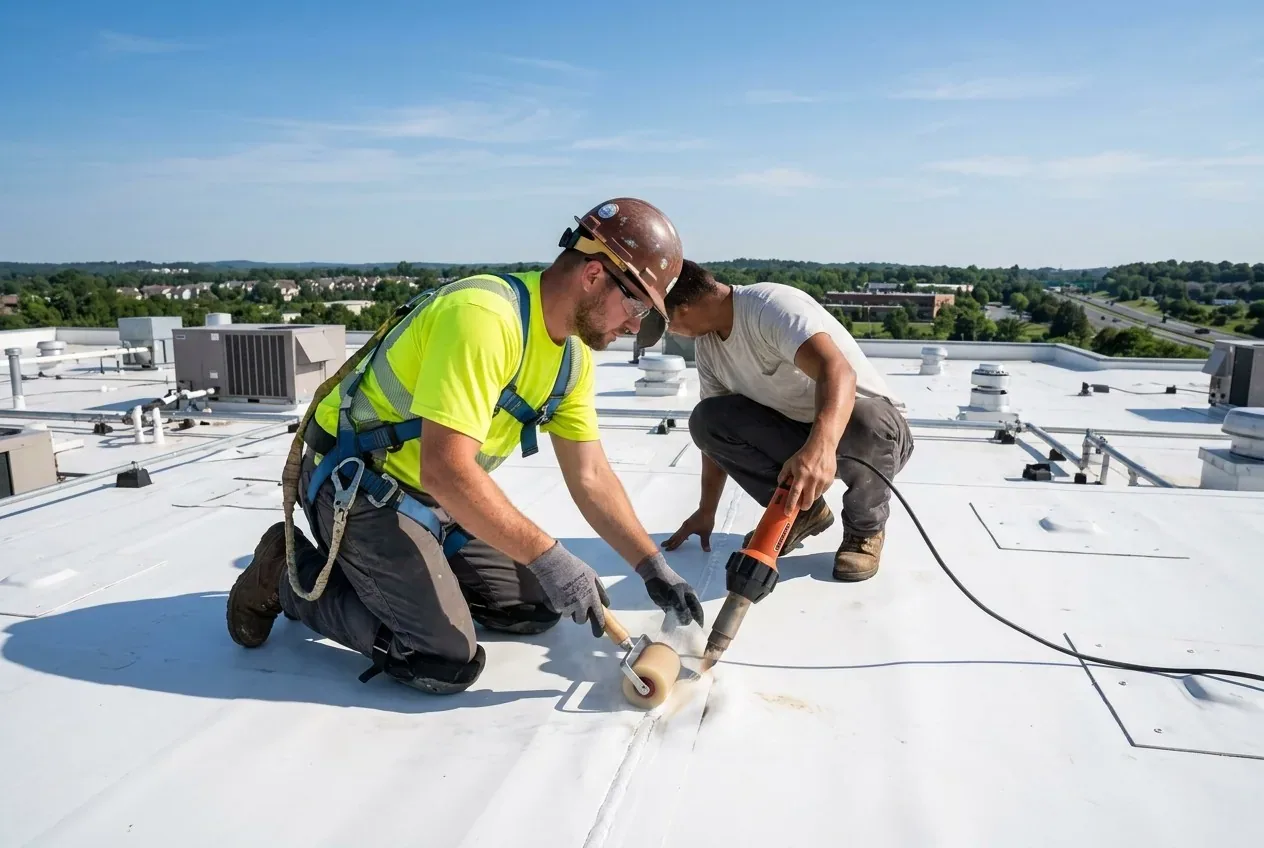
Photographs should help another person find the same condition. We capture a context view, an intermediate view, and a close view when detail matters. A ruler or known feature may show scale, but the report should not suggest a measurement when none was taken. Images are labeled by roof area and observation number; captions explain what is visible without making a hidden-layer diagnosis from a surface image.
Light, standing water, snow, equipment shadows, and safe-access boundaries can limit what the camera records. If glare obscures a coating or snow covers a drain, mark the area as not fully assessed and recommend a return visit when it can be inspected. The nearby Detroit climate table documents winter snow and clear seasonal temperature shifts. Since it is regional, use it only to explain why cover or access limits shortened the inspection. A return appointment after conditions clear can resolve obscured features; the table cannot diagnose a roof defect or describe a specific building's performance.
When a condition changes after a repair, a dated follow-up photograph should reference the earlier report item. That creates a record of what was addressed and what still needs attention. Keep original image dates and avoid captions that call work complete unless completion was actually observed and documented.
Findings should lead to a useful next step. We distinguish active water entry or an opening that exposes the building from conditions that warrant scheduled correction or monitoring. A priority reflects observed exposure and consequence, not a predicted failure date. If the evidence is incomplete, the report can recommend investigation before assigning a permanent repair scope.
Each action item states the roof location, suggested response, and any dependency such as access coordination, test cuts, or a shutdown. The emergency repair team may be appropriate when an opening needs immediate protection. For recurring maintenance items, preventive roof maintenance can track drain, flashing, and perimeter observations between larger projects. If a defect calls for broader work, commercial roof repair can address a defined scope after the cause and limits are reviewed.
We avoid bundling unrelated observations into one generic recommendation. A loose edge detail, a clogged drain, and a suspect wet area have different mechanisms and may require different trade coordination. Separating them helps the owner assign work, request a proposal, and verify closeout without losing the original evidence.
A condition report becomes more valuable when it can be compared with the next inspection. Keep the date, weather/access limitation, observed locations, repairs since the last visit, and open recommendations in the same record. If a repair contractor changes a detail, add the completion note and photograph rather than erasing the condition that prompted the work. The roof asset record can keep reports, warranties, repair history, and roof plans connected to the building.
For a capital request, roof capital planning can translate verified findings into staged options and identify what testing remains. A report supports that process, but it is not automatically a specification, warranty determination, structural evaluation, or code opinion. If one of those decisions is needed, state the responsible consultant or review step instead of implying the inspection covers it.
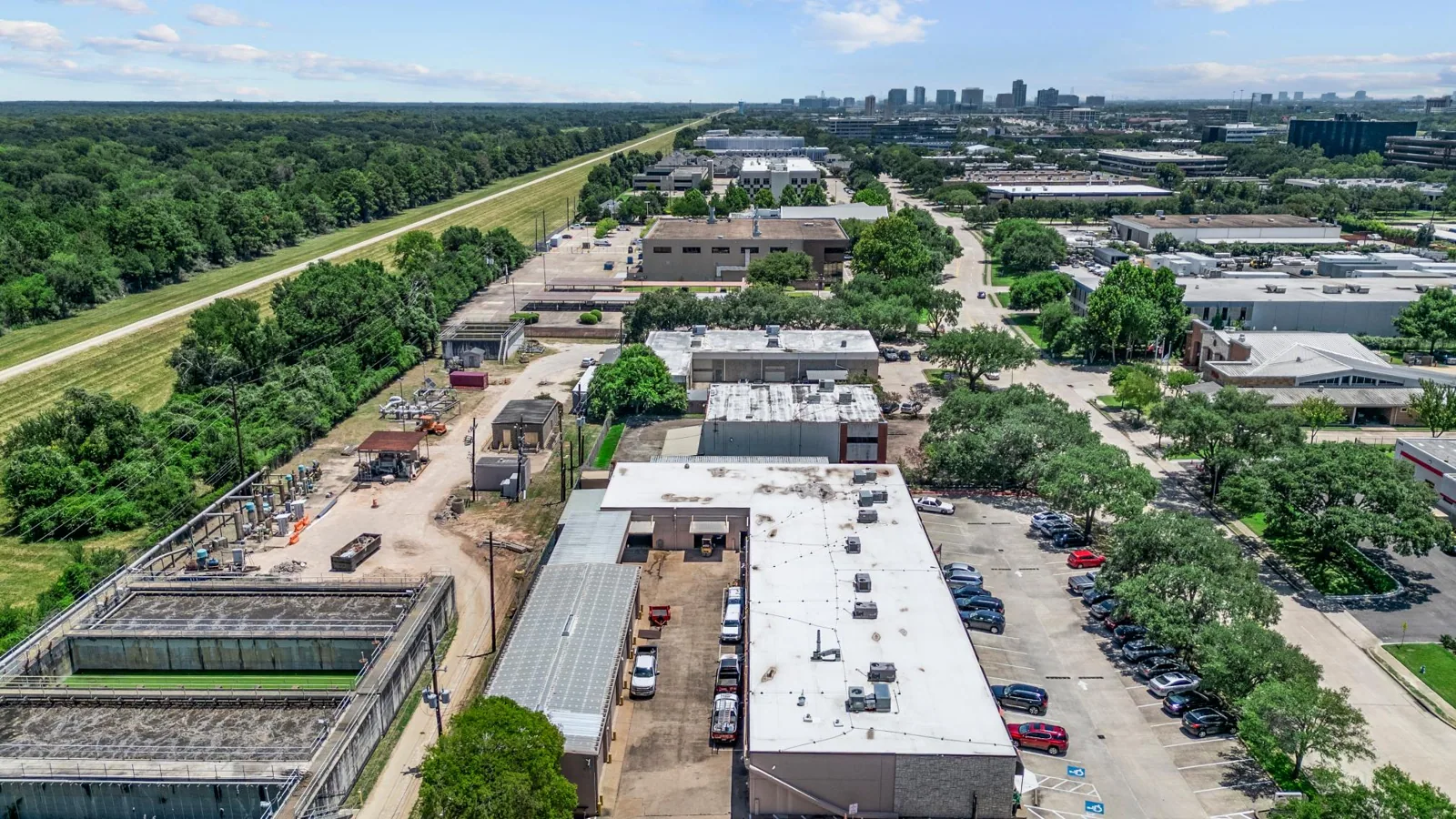
The Sterling Innovation District spans an industrial corridor between Van Dyke Avenue and Mound Road. Lakeside City Center is planned for a mix of residential, office, retail, dining, and public space. These named places illustrate why a report should record the actual building use and access conditions rather than infer them from a district label. We confirm requirements with the property contact and record any area we could not safely inspect.
The final report includes an executive summary, roof-area index, observations, labeled photographs, priority actions, limitations, and a short list of decisions still open. A manager should be able to find the urgent item quickly, while a roofing professional should have enough detail to locate it and assess the next step. We can provide a digital package that is easy to share with ownership, facilities, or a consultant.
For a property purchase or refinancing, a due-diligence roof survey can frame condition questions around a transaction deadline. For multiple facilities, a multi-site roof program can align inspection records while preserving separate findings for every building. Share roof plans if available, access contacts, known leaks, recent repair documents, and the decisions the report must support. The scope can then focus on the evidence needed for that handoff.
It should identify roof areas, dated observations, labeled photographs, limits of inspection, priorities, and actions or tests still needed.
A photograph can document visible evidence, but staining alone may not identify the entry point. Tracing the path can require additional inspection or testing.
A visual condition report can describe observed wear and uncertainty. A reliable service-life conclusion needs assembly, repair, exposure, and concealed-condition information.
The report should identify the uninspected area and the reason, then recommend a return visit or another safe way to collect the missing evidence.
Yes. It can help bidders locate documented conditions, while a defined scope may still need measurements, testing, or project-specific design.
Share the property address, roof plans if available, known leak locations, access restrictions, and the decision the report needs to support. We will document observed conditions, limits, and next steps.