Home / Roofing Capabilities / Commercial Roof Asset Management
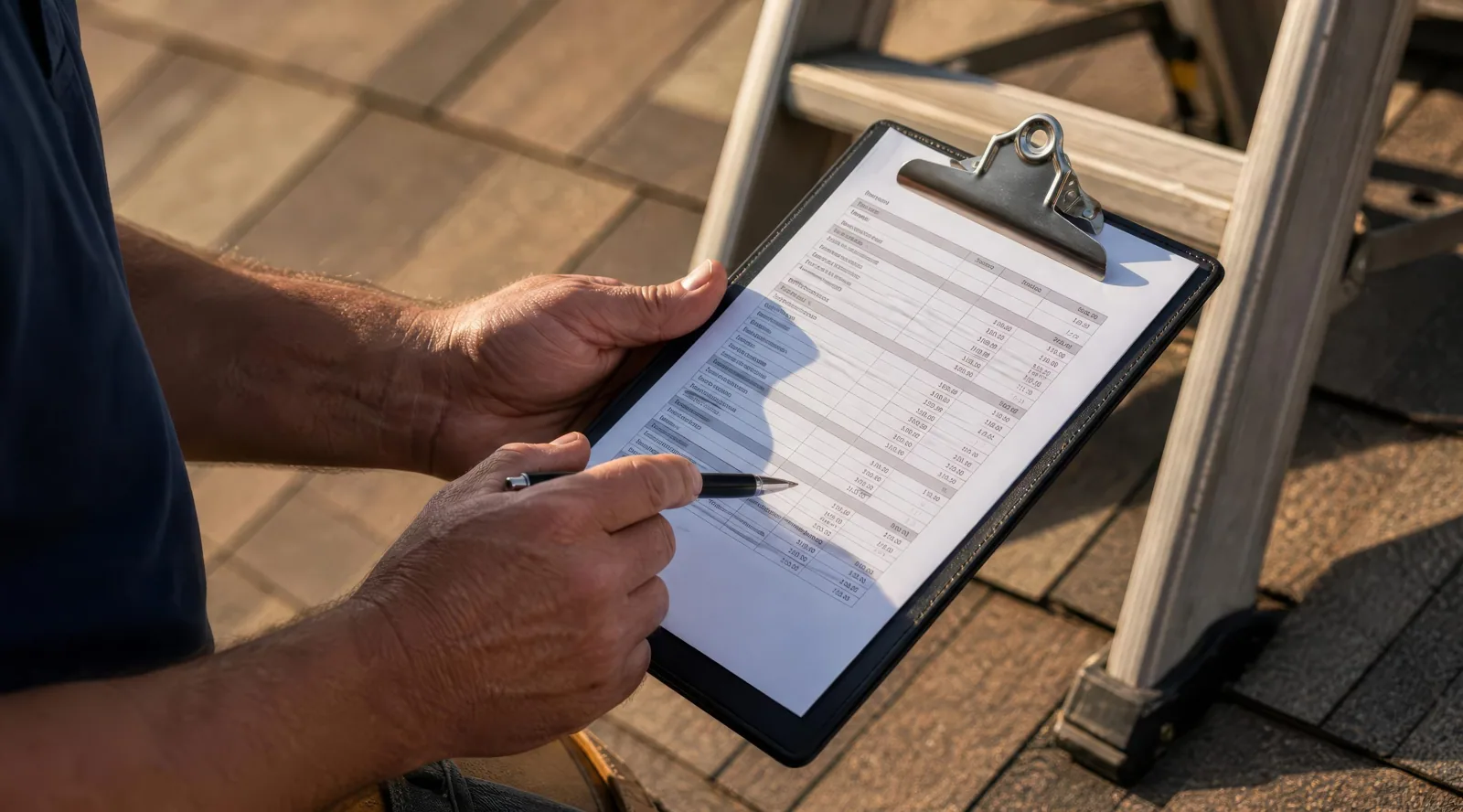
Share addresses, roof plans, repairs, leak history, warranties, access rules, and the reporting fields your team uses. We will establish a baseline and connect findings to next actions.
Start with the roof area, system type, installation or recover history when documented, deck and insulation information, drainage layout, and available warranty records. Separate verified records from estimated dates or missing documents. A TPO field and a standing-seam addition need different inspection details. The asset file should preserve the assembly at each section instead of assigning one system label to an entire property.
Track tenant use, roof access, mechanical changes, and scheduled service paths beside the physical roof data. These items affect how an inspection is performed and where repeat damage may occur. Keep names of site contacts current, note which party grants access, and record any area that requires an escort. The file should help the next visit begin with the right roof and the right route.
We map drains, curbs, walls, edges, and known repair zones with photo references. Each observation states whether it was visible, tested, or inaccessible. A roof condition report can preserve that baseline for facilities and ownership. Where the asset was recently acquired, a due-diligence survey can distinguish available records from conditions that still need field review.
Repeat observations are useful only when the location and method can be compared. Photograph the same seam, drain, curb, or low point from a stable reference. Note weather, roof access, surface cover, and any area hidden by equipment. If one visit could not reach a section, keep that limitation in the next record until it is directly inspected.
Use the same identifiers across inspection reports, repair invoices, and warranty records. If a contractor labels a section “north wing” while the owner calls it “building C,” preserve both references and connect them to the plan. That small crosswalk can prevent a service call from being assigned to the wrong roof area.
NWS Detroit climatology records winter snow and marked seasonal swings. Use that regional reference only to explain why a roof area may not have been visible during an inspection; it cannot show whether an individual Sterling Heights roof holds moisture. Record which components were covered, what access was deferred, and when safe reinspection can resolve the gap. A hands-on inspection can update the condition record, while scheduled maintenance can track drain cleaning, edge checks, and small repairs between formal reviews.
Classify findings by consequence and evidence. Active water, open membrane, and loose edge metal need a different response from an aging coating or a drain that should be checked before winter. We state what is confirmed, what might change the scope, and whether a test cut or moisture survey would answer a decision-critical question. The priority should follow the defect, not a color score alone.
Separate conditions that need immediate response from those that can be grouped into planned work. A loose edge may expose the assembly before the next rain, while a coating concern may need review at the next scheduled visit. The log should capture why a priority was assigned and what evidence would change it. That keeps a status from becoming an unsupported label.
Keep temporary protection distinct from permanent work. Record who authorized the interim measure, the area covered, and the inspection still required before close-in. A roof issue with no follow-up date can sit unresolved even when it is present in a spreadsheet. Asset management links each finding to a responsible contact, next action, and completion evidence.
Some conditions fit routine maintenance; others require repair, testing, recover review, or full replacement planning. We identify the factors behind the choice: wet insulation, deck condition, recurring failures, drainage, access, and the remaining serviceability of surrounding material. The record shows the basis for each recommendation so a budget reviewer can compare it with other building needs.
A roof capital plan can group work by urgency, likely timing, and open questions. For multiple addresses, multi-site coordination can align inspections and reporting while preserving separate building details. A planned budget does not establish a final repair quantity until concealed conditions are checked and the scope is approved.
Use stable property names, roof-zone references, date formats, and status terms. Keep original photos and repair closeout images in the same record. When a roof changes through a recover or replacement, preserve the earlier assembly history and add the new system instead of overwriting it. That gives a future facilities manager context for recurring details and helps a new owner understand which conditions were already addressed at that property. A cross-reference to the roof plan can also show the exact area affected by each replacement during the next facilities review cycle as needed.
When work is completed, retain the approved scope, field changes, closeout photos, and any remaining recommendation. A replaced detail should not disappear from the history; its status should move to complete with date and evidence. That gives a capital review a clear difference between observed need, authorized work, completed work, and follow-up still pending.
In the Golden Corridor, public-facing sites may need access coordinated around customers or clinical schedules. Mound corridor facilities may have production controls and industrial access routes. These local differences affect program timing, while the system and site contact determine the actual inspection route. Share the property list, plans, service records, access rules, and reporting needs. We will set a baseline and maintain an action record tied to each roof.
Record system, assembly layers when known, roof-zone map, dated photos, repairs, test results, access limits, and follow-up actions for each building.
A shared status field can help with triage, but each assembly needs its own condition criteria and evidence. Keep membrane and metal findings distinct.
Mark the section as uninspected, record why, and set a return step when safe access or visibility allows direct review.
It can show condition, risk, and planning assumptions. Inspection, testing, code requirements, and budget approval can change the timing and scope.
Yes. We can coordinate a shared reporting format and visit schedule while keeping each roof’s assembly, photos, and decisions separate.
Share addresses, roof plans, repairs, leak history, warranties, access rules, and the reporting fields your team uses. We will establish a baseline and connect findings to next actions.