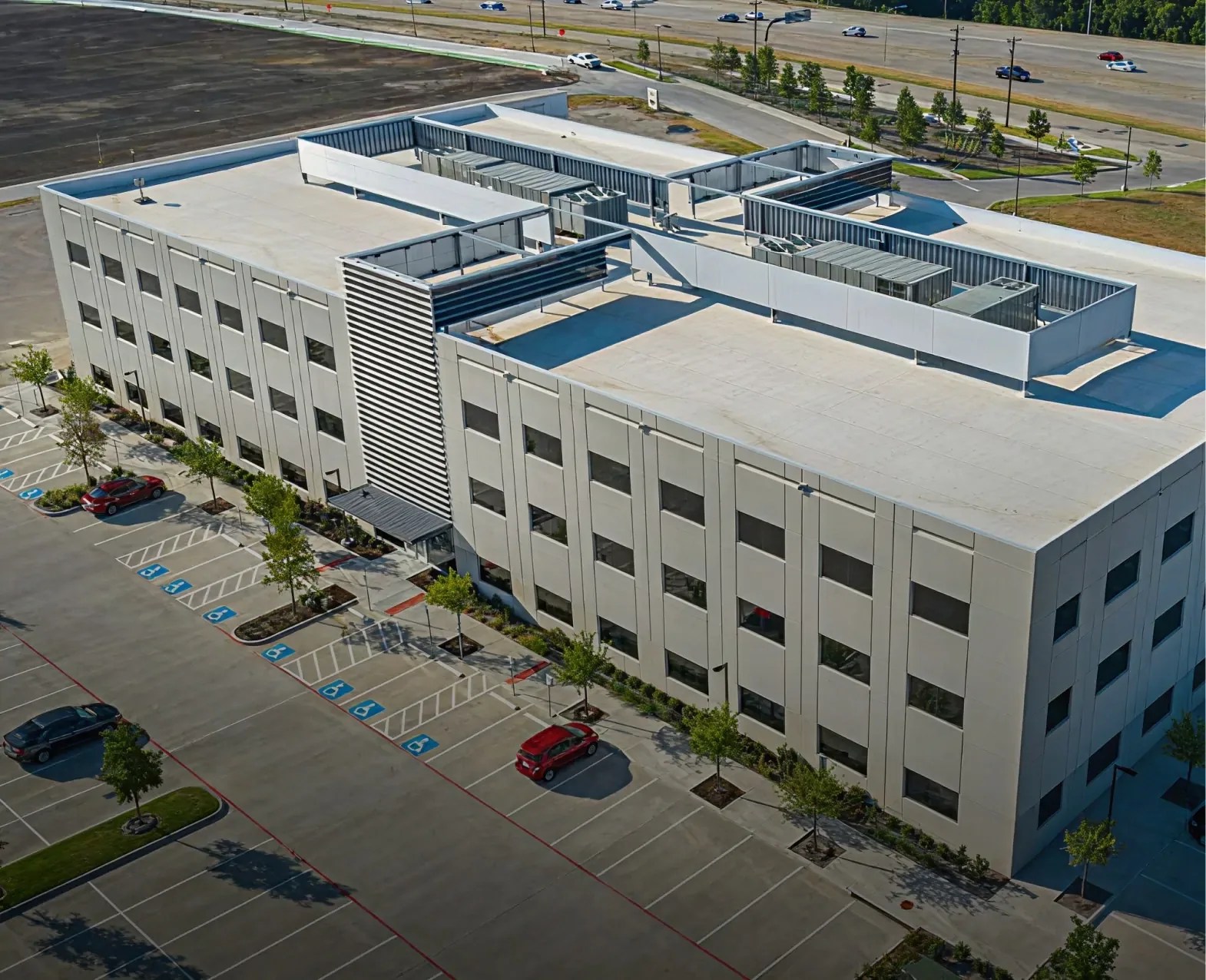
Home / Commercial Roofing Services / Cool Roof Installation
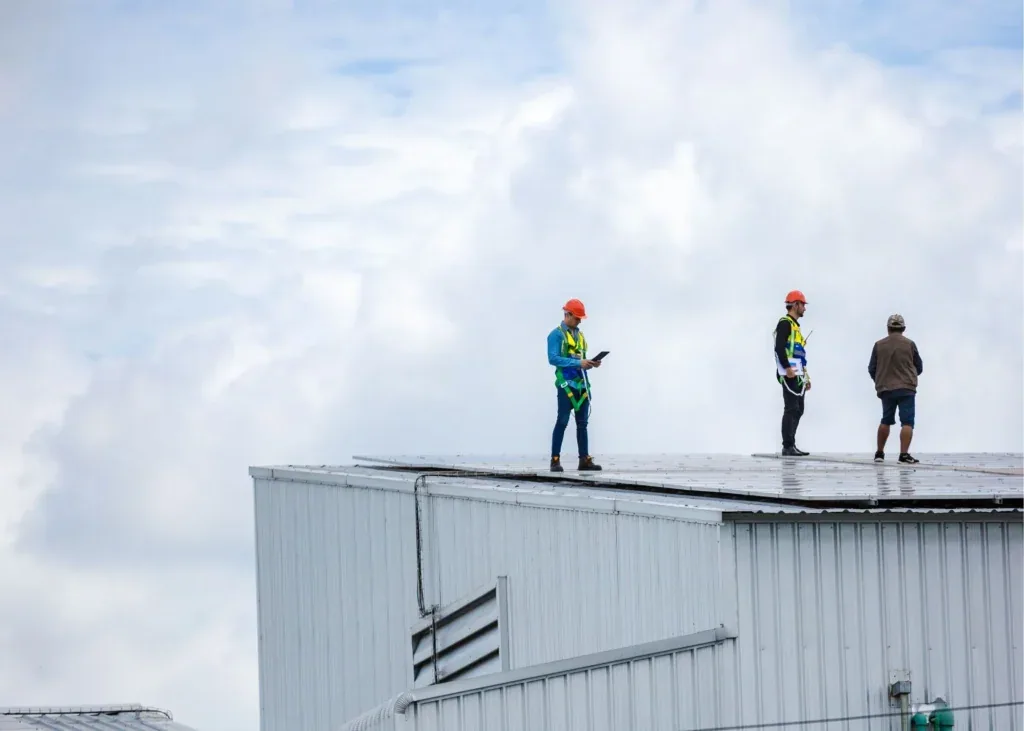
Send roof records, repair history, access limits, and the building goal behind a reflective roof. We will inspect the membrane, insulation, drainage, and perimeter, then define a system that fits the verified assembly.
A reflective finish cannot bridge a failed seam, dry out insulation, or strengthen a weak deck. We check for chalking, dirt, open laps, punctures, blisters, ponding, and repairs that no longer bond. The existing membrane type matters because preparation and compatibility differ. Where the substrate is wet or unstable, the roof needs correction before any reflective layer can perform as intended. We use test cuts or moisture mapping when the surface alone cannot confirm what can remain.
We also inspect nearby drains, curbs, wall transitions, and perimeter metal. A new membrane or coating changes the roof’s surface, but it should not block an overflow route or leave a low curb termination. On an occupied building, we note equipment access, walk paths, and areas where the reflective finish may be interrupted by service traffic. The recommendation should identify both the benefit being pursued and the roof work needed to deliver a sound assembly.
A reflective roof returns more solar energy from the surface than a dark finish, which can reduce how much heat reaches the assembly. The result depends on insulation, roof construction, equipment loads, indoor conditions, and how much of the surface remains reflective. We do not promise a fixed indoor temperature change or utility reduction from color alone. We explain the roof-side change and identify what the building would need to measure if an energy result is part of the project decision.
Nearby Detroit climate normals place July average highs near 84 degrees and January averages near freezing highs with colder overnight lows. That seasonal range matters for material movement and installation windows as well as summer surface exposure. The Mound corridor’s manufacturing buildings may have process loads and equipment demands beyond the roof surface. We ask how the roof relates to the building’s existing insulation and ventilation rather than applying a generic heat claim to every facility.
A cool roof can be a reflective membrane, a coating over a compatible existing surface, or a replacement assembly selected for the building. We identify membrane chemistry and attachment before describing options. A coating requires a prepared, sound substrate and repairs at seams, penetrations, and drainage details. A new membrane needs secure attachment, dry insulation, and properly rebuilt transitions. If widespread moisture or weak attachment is present, a surface treatment may not be the right scope.
Insulation and cover board influence thermal performance beneath the reflective surface. We verify board condition and thickness where records or test cuts allow, and we check the perimeter height and outlet elevation if adding layers. A reflective top layer cannot compensate for compressed insulation or a deck that holds water. For an existing system that is otherwise serviceable, a targeted insulation correction or recover option may be compared with tear-off based on the verified assembly.
Roof water still needs a clear route after the reflective system is installed. We map the low points, drain bowls, scuppers, and overflow path, then confirm the proposed work will not raise the membrane past a curb or edge. Coating should not seal an outlet. Added insulation may change slope, termination height, or the fit of coping. If drainage correction is required, it belongs in the scope rather than in an energy benefit claim.
The Sterling Heights Golden Corridor and Sterling Heights Mound Industrial Corridor are named local districts with different mixes of business activity. Their descriptions do not establish a roof color, assembly, or energy profile at any property. We inspect the building itself and record which outlets, edges, and equipment interrupt the roof field. This is especially useful when an owner is comparing buildings and needs each proposal tied to its actual condition.
Before application or membrane placement, we repair open seams, penetrations, and damaged details. The surface is cleaned and prepared according to the selected system’s requirements. For coating, we check adhesion and compatibility on the existing roof and define the areas where reinforcement or additional repair is needed. For membrane, we verify attachment and close-in at edges and penetrations. Weather and substrate conditions set when those steps can be completed.
At completion, we inspect seams, flashing, drains, and termination details, then document the finished work. The owner should know which roof sections received the reflective system, what prep was completed, and any limitations that remain. A roof inspection record can preserve that baseline for later comparison. If the roof is tied to an energy project, surface and indoor performance measurements should be defined separately from the roofing scope.
Reflective work may require staging, roof traffic, material lifts, or temporary equipment protection. We confirm access routes and operating restrictions before mobilization. Buildings along the Van Dyke and Mound industrial corridor support active industrial uses, but each facility sets its own work windows. We coordinate with the site contact and protect intakes, equipment, and occupied areas below. If a coating or adhesive needs a dry, temperature-controlled interval, the close-in schedule accounts for it.
Snow or ice can hide the roof surface and prevent a reliable inspection or bond. Nearby Detroit normals show winter snowfall and seasonal temperature swings, but current site conditions govern whether work proceeds. We document any covered area that could not be checked, maintain temporary protection as needed, and set a return visit when the roof can be inspected safely. The finished scope should not cover a defect that remained unseen.
No fixed savings follow from roof color alone. Insulation, equipment, schedules, and building use all matter. We define the roofing work and leave energy measurement to a project plan that accounts for those variables.
Only if the membrane, substrate, and moisture condition support it. We inspect compatibility and adhesion, then repair defects before proposing coating.
No. Reflectance does not change roof slope. We map the low areas and outlets and include drainage correction where the assembly needs it.
Wet material should be located and addressed before it is covered. Test cuts help establish the repair boundary where moisture affects the system choice.
Provide roof drawings, utility or temperature goals, past repairs, insulation information, and access restrictions. We can then tie the proposed system to the existing assembly and operating conditions.
Send roof records, repair history, access limits, and the building goal behind a reflective roof. We will inspect the membrane, insulation, drainage, and perimeter, then define a system that fits the verified assembly.