Home / Commercial Roofing Services / Roof Insurance Claim Assistance
Send the roof access requirements, reported date, interior leak location, and any earlier photos or repair records. We will document the roof condition, separate temporary protection from permanent work, and provide a repair record tied to the inspected area.
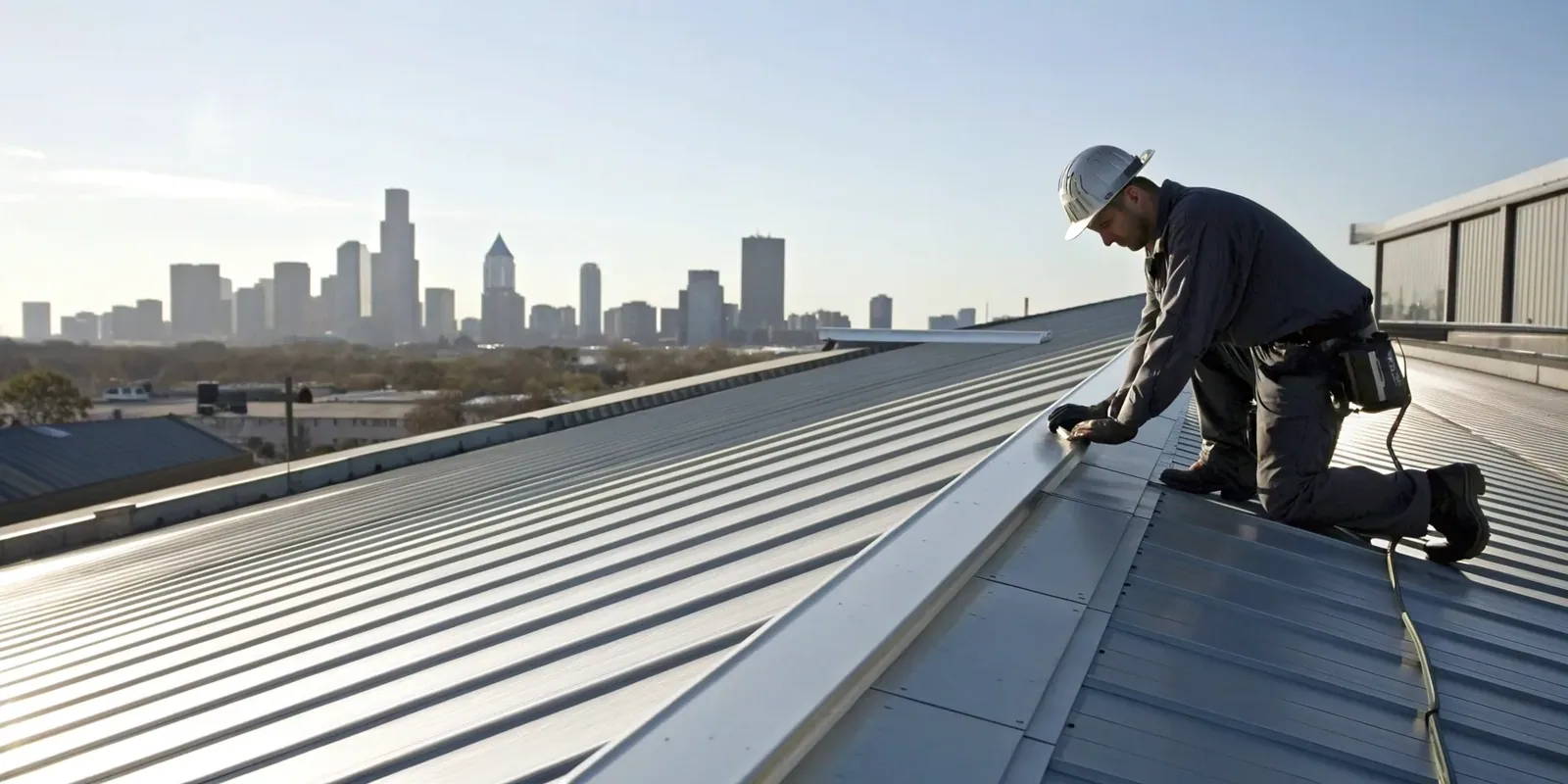
We begin with the reported date and location of the water entry, then inspect the roof area that could feed it. Photos show the whole roof section, the specific detail, and a scale or reference point when useful. We label seams, curbs, penetrations, edges, and drains by location so a reviewer can connect each image to the written finding. A commercial roof inspection can record membrane condition, attachment, flashing, wet insulation indicators, and access limits. We separate observations from conclusions and note what still needs confirmation.
Interior evidence belongs in the same sequence. We record the room, ceiling or wall location, visible water path, and any protective action taken. The ceiling mark may sit away from the roof opening, so we link it to the roof findings only when the route is supported. If the assembly needs a test cut or moisture survey, we explain why the result may change the scope. A written condition report keeps photos, locations, and recommended next steps organized for repair planning.
After a storm, an open seam, displaced coping, puncture, or broken flashing may be new. Older surface wear, prior patches, and corrosion may also be visible. We document each condition separately rather than labeling every roof defect as storm-related. Earlier inspection records, repair invoices, and dated photographs can help show what changed. Local employer records include automotive assembly and manufacturing, defense production, and transportation-related operations. These sectors can involve controlled access or active equipment, so the inspection plan should reflect the facility’s own constraints without implying a roof type. Those local industries point to property types that may have complex operations, not to a particular roof assembly or claim outcome.
Detroit’s 1991-2020 climate normals show about 45 inches of annual snowfall and a wide seasonal temperature range. This regional record can inform inspection timing, but it does not establish a cause or a loss date. We inspect what remains accessible, note snow or ice that limits visibility, and identify any area that needs another visit. If the owner reports active entry, our storm damage repair can include temporary protection before the complete documentation is ready.
A tarp, temporary membrane patch, or interior catchment changes what a later inspection can see. We photograph the condition before temporary work when it is safe, then record what material was installed, where it is secured, and what roof area remains exposed. The purpose is to limit further water entry while preserving a clear account of the repair. If a cover blocks a drain path or creates a new edge, we identify that risk and adjust the protection so runoff can still leave the roof.
Weather and access can constrain the first response. Snow, ice, or wet surfaces may prevent a full walkover. We record the portions not inspected and the reason, then identify what can be checked from a safe location. A temporary repair should not be described as the final roof condition. When access improves, we inspect the covered transition, remove temporary material where appropriate, and show what permanent work remains.
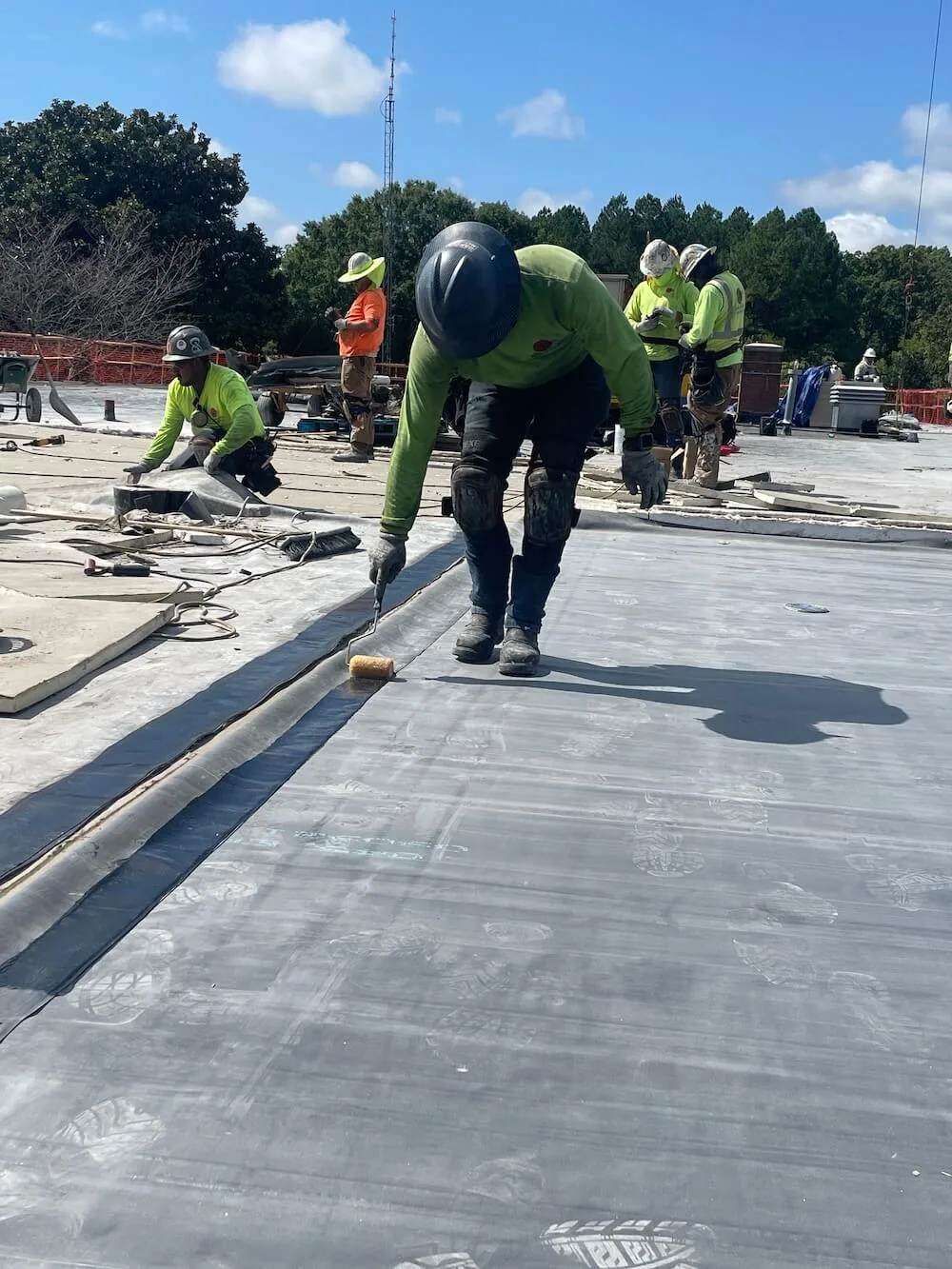
A repair estimate should identify the location, materials, preparation, tie-in points, and any concealed condition that could change the work. We separate emergency protection from permanent repair and note whether wet insulation or deck damage requires further verification. The scope can include membrane, flashing, coping, or drain work, but it should not mix unrelated maintenance items into the reported damage. Our commercial roof repair documents the actual correction and photographs the completed detail.
Insurance coverage and claim decisions come from the policy and the insurer’s review. Our role is to provide roof observations, repair documentation, and clear scope details. We do not assign policy terms or state that a condition will be covered. If the owner receives questions about the roof findings, we can explain the photographed condition and the work needed to repair it. The wind damage scope stays tied to lifted or displaced materials that inspection confirms.
A plant, office, or retail property may need different access windows for the roof and interior. We coordinate deliveries, equipment shutdowns, tenant routes, and areas that cannot be interrupted before permanent work begins. The city’s industrial and advanced-manufacturing corridor between Mound Road and Van Dyke Avenue has a reported concentration of jobs and industrial space. That fact describes the district, not any single facility’s schedule. We confirm site rules and work zones with the building contact and keep the scope focused on verified roof conditions.
Claim documents are more useful when they connect each repair to a location and completion record. We can provide dated photographs, a written description of work, and notes on remaining conditions or inaccessible areas. If damage extends beyond the first opening, we document the new finding before expanding the repair. The owner can then review the added scope with the insurer or other project contacts using the same roof evidence.
Send the building address, roof access requirements, reported date, interior leak location, and any earlier roof photographs or repair records. We will inspect the affected area, document what is visible, and note what requires testing or a return visit. If water is still entering, tell us which area needs immediate protection. We can then separate temporary work, permanent repair, and follow-up inspection in the scope.
No. The written policy and carrier determination control coverage. We document roof damage, distinguish related repair work, and provide photos and a clear scope.
Show the wider roof area first, then the detail and a reference point. Add the interior leak location if water is visible inside. We can label each image by roof section during the inspection.
Yes. We record where protection was installed, what it covers, and what condition remains beneath it. That keeps temporary stabilization distinct from permanent repair in the work record.
Access and visibility determine what can be checked safely. We inspect available areas and list anything obscured by snow or ice for follow-up. Nearby Detroit normals help with seasonal context, not site-specific proof.
We photograph and mark the affected area, then verify how far moisture extends if that changes the scope. The repair record can separate confirmed damage from the additional work needed to address it.
Send the roof access requirements, reported date, interior leak location, and any earlier photos or repair records. We will document the roof condition, separate temporary protection from permanent work, and provide a repair record tied to the inspected area.