Home / Roofing Manufacturers / Holcim Elevate Commercial Roofing
Share the Holcim system records, roof plans, repair history, leak location, and access limits. We will verify the membrane and assembly before setting a repair or replacement scope.
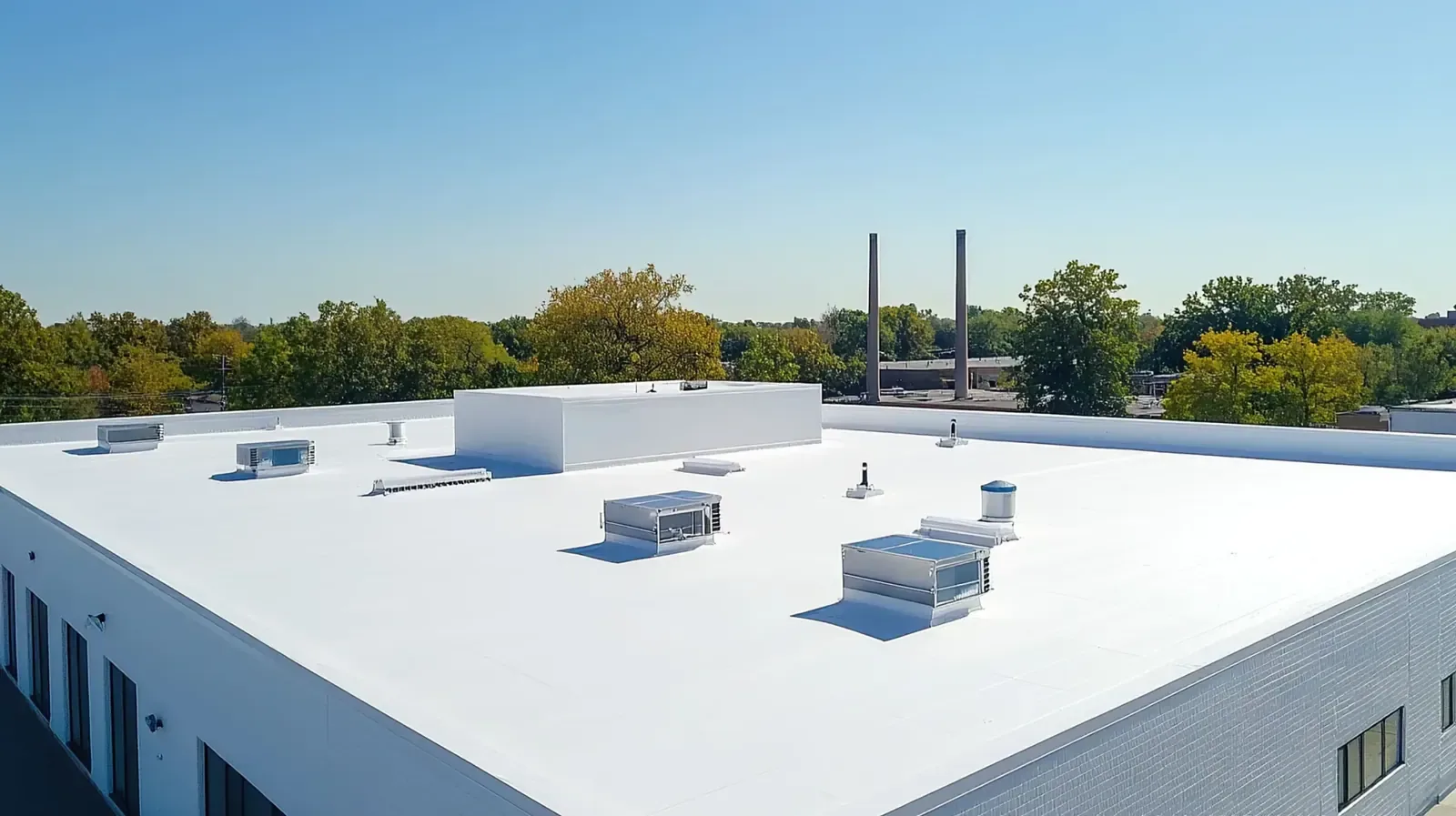
The manufacturer describes UltraPly TPO as a reinforced thermoplastic membrane available in different assembly approaches. RubberGard EPDM is a synthetic-rubber membrane family with several product configurations. The two do not share the same seam method, accessory set, or repair preparation. Confirm markings, submittals, prior invoices, and field details before ordering material. A broad label such as single-ply is not enough to specify a patch.
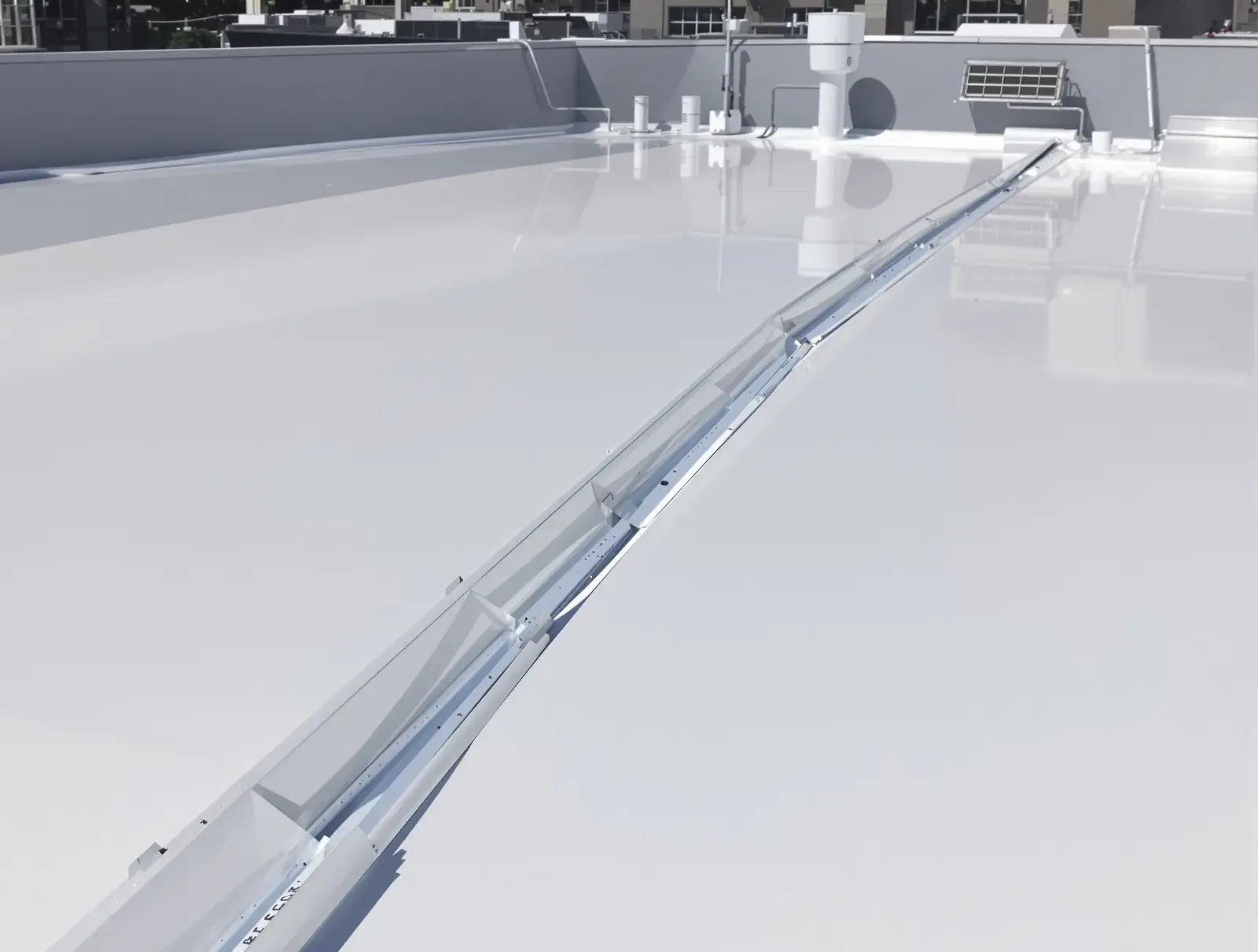
UltraPly seams are heat welded. Inspect the bond at field laps, corners, penetrations, and transitions to coated metal. Temperature, pressure, speed, cleanliness, and membrane condition influence the weld. RubberGard details use compatible EPDM seam products and accessories; review the lap surface and termination carefully. Do not apply thermoplastic repair steps to a rubber sheet or vice versa.
For a TPO surface, the TPO assembly review can identify seam and flashing requirements. Where an existing assembly is EPDM, the EPDM roof review follows that membrane's own repair path. A roof with both systems may need separate work packages.
Membrane type is only the exterior layer. Below it, insulation, cover board, vapor control, adhesive or fasteners, and deck work together as an assembly. An adhered system depends on substrate preparation and adhesive contact. A mechanically attached roof depends on the fastener pattern and deck capacity. An induction-welded configuration transfers load through its plates and attachment details. Each method creates different inspection questions.
Look for loose plates, tenting, displaced board joints, edge movement, punctures, and moisture signs. If a seam defect appears beside a change in deck or roof height, inspect the transition as well as the membrane. Wet insulation can compress under foot or remain concealed below an intact surface. Map suspect areas and test only where the result will change removal or recover decisions.
Holcim offers insulated roof system components including polyiso and cover boards. Confirm thickness, board type, fastening, and existing layers from field evidence and project records. A recover should not proceed until moisture, layer count, attachment, drainage, weight, and code conditions have been reviewed. A roof inspection can document conditions; a moisture survey may help target further investigation when method and conditions fit.
A low point can hold water because of a blocked bowl, compressed insulation, altered slope, or a restricted leader. Check the strainer, sump, overflow path, and the membrane around the drain. At a curb, follow the flashing from field sheet to vertical face and termination. A gap at one part can direct water under a larger area, so record the whole transition before cutting or covering it.
Roof equipment service can leave a loose boot or damaged flashing. A repair should accommodate movement, resist ponding at the base, and connect to the correct membrane. If a metal edge or curb is being replaced, review the adjacent sheet and attachment; a new metal component cannot correct a wet or unsupported substrate by itself. Curb and equipment support work should preserve the roof manufacturer's detail and the equipment service path.
Snow and melt are part of seasonal access planning. Nearby Detroit normals report about 45 inches of annual snow, but that is regional weather data and not a roof-load calculation. Snow may conceal a drain until thaw. Mark covered or inaccessible details as unverified, then return when they can be inspected safely.
Detroit-area normals show a substantial difference between January and July temperatures. Seasonal movement affects membrane, metal, and flashing differently, especially at roof-to-wall transitions and long runs. The published climate values are a regional reference, not a reading from a Sterling Heights building. During a survey, record the air and roof conditions observed; during construction, follow the current product data for application limits and close-in.
Work scheduling also depends on precipitation, wind, access, staging, and whether the building must remain open. Remove only an area that can be made watertight at the end of the shift. Plan temporary tie-ins at curbs, drains, and changes in elevation before cutting the existing membrane. If the deck or insulation is exposed, make the protection and inspection hold point explicit in the scope.
The snow and ice roof service can address verified damage or a blocked drainage condition. Seasonal weather alone does not establish damage. Document the actual roof finding and confirm whether the next step is clearing, repair, testing, or a larger assembly review.
A small puncture in a dry, supported area may allow a local repair. Repeated seam separations, wet insulation, widespread surface degradation, or moving edges can require a broader scope. Review the existing warranty and project documents before changing materials or adding rooftop equipment. Use a compatible patch detail and record whether the repair is temporary protection or permanent work.
If replacement is under consideration, compare attachment options, insulation and cover board, vapor control, drain configuration, edge restraint, and penetrations. The selection should fit the building, not just the product family. A TPO or EPDM sheet may each be technically possible while only one matches project requirements, exhaust conditions, existing details, and owner priorities. A written scope should show removal depth, substrate assumptions, flashing and metal work, and what will happen if a test opening reveals concealed damage.
Where another system appears at an addition, Carlisle's Sure-Weld and Sure-Seal families or GAF EverGuard may have different material details; Carlisle assembly conditions and GAF roof review should follow their own documentation. Share the roof plan, Holcim system records, repair history, leak location, and access rules. We will inspect the relevant layers and define a scope from verified conditions.
UltraPly TPO seams are heat welded. RubberGard EPDM uses different seam products and preparation. Identify the membrane before selecting a repair detail.
A recover is viable only if moisture, layer count, deck, attachment, drainage, weight, and project requirements support it.
The path may involve a loose flashing, failed lap, obstructed bowl, or water held at the sump. Inspect the full drain detail and the roof below it.
It can identify surface indicators and select test areas. A test cut or suitable moisture survey is needed to confirm concealed conditions.
Send product records, roof plans, assembly details, past repairs, active leak locations, access limits, and any open warranty correspondence.
Share the Holcim system records, roof plans, repair history, leak location, and access limits. We will verify the membrane and assembly before setting a repair or replacement scope.