Home / Roof Systems / Acrylic Commercial Roof Coatings
Send roof records, coating history, leak locations, and access details. We will test adhesion where needed, inspect the substrate and outlets, and define repairs before acrylic application.
We inspect for peeling, thin coverage, pinholes, dirt, exposed membrane, open seams, and previous patches. A coating can lose bond at a dirty surface or a transition that moves more than the finish can accommodate. We test representative areas where adhesion is uncertain and map sections that need preparation. If the existing finish is brittle or contaminated, another layer over it can fail with the old one.
We also check whether the roof beneath the coating is wet, soft, or poorly attached. Test cuts reveal material condition where that answer changes the plan. The opening should be placed near the relevant water path, not selected at random. We document the layers, moisture, and deck condition before rebuilding and closing the test area.
Acrylic coatings are water-based and need suitable conditions to dry and cure. Rain, dew, low temperatures, and high moisture can interrupt film formation or wash material before it is ready. We check the forecast and the surface before application, and we stage the work so a section can be completed within the available window. Product-specific requirements govern temperature, coverage, and dry time.
Water exposure after cure still needs a sound roof underneath. Acrylic coatings are generally less suited to areas with prolonged ponding than systems designed for that exposure. We map low points and determine whether the roof can drain before proposing the coating. Nearby Detroit winter normals include snowfall and freezing conditions, which can limit access and delay application. Current weather, not a monthly normal, decides the workday.
Acrylic can be used on certain prepared roof surfaces, but prior coating, membrane type, repair materials, and exposure affect compatibility. We identify the existing system from records and field inspection, then perform adhesion checks where appropriate. If bond is poor or the substrate is wet, the scope must address that condition before coating. We do not treat a broad application as a substitute for membrane repair or insulation replacement.
At seams, penetrations, and changes in plane, we repair and reinforce details as the selected system requires. A coating may bridge a small surface transition but should not hide a moving curb or failed metal termination. We check fasteners, edge restraint, and flashing before applying. An SPF roof may require its own compatible finish, so we compare with SPF restoration only when that is the verified assembly.
We check drains, scuppers, overflow openings, gutters, and the low points that feed them. Acrylic should not reduce an outlet or leave a coating ridge that traps water. If the deck has a depression or the drain is blocked, we correct the water route before coating. A drainage repair can be included where needed. Perimeter metal and wall flashing also require compatible terminations so water cannot pass behind the finish.
The Mound Industrial Corridor and Velocity SmartZone are named Sterling Heights business areas with different uses. Neither provides a roof condition or application forecast for an individual building. We inspect the specific outlet and edge geometry, then document where the coating stops and how water exits the roof. Where several sections differ in age or material, each boundary is confirmed rather than treated as one uniform field.
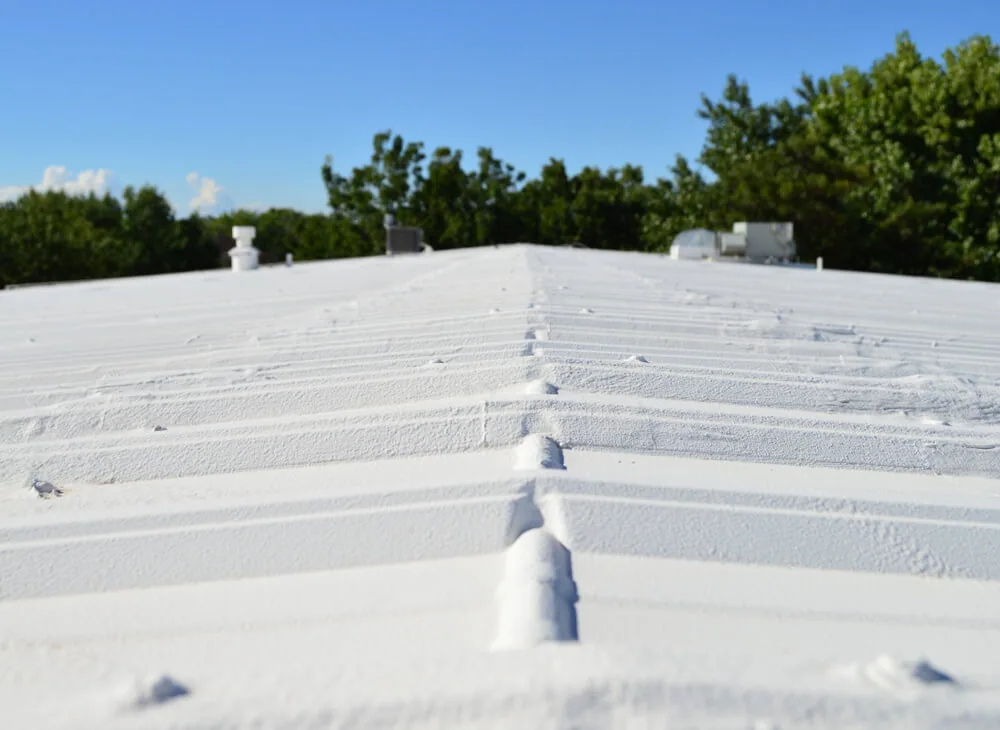
Preparation includes cleaning, removing loose coating, repairing membrane defects, and reinforcing details where the system calls for it. A test patch may confirm bond before full application. We apply the material at the specified rate and check coverage across seams, curbs, and transitions. Areas with wet insulation, deck problems, or a failed membrane are opened and repaired rather than sealed over.
Wind and overspray controls protect vehicles, intakes, equipment, and adjacent property. We confirm those protections and the weather window before application. The crew keeps drains clear and secures each area at close-in if conditions change. Preparation, number of roof sections, access for staging, and the amount of reinforcement affect labor and schedule. We identify those drivers after the test area and repairs are defined, then sequence application so each completed zone can cure before the next activity crosses it. The final inspection records the finish, repairs, and any areas excluded from coating. A roof inspection can capture that baseline for maintenance.
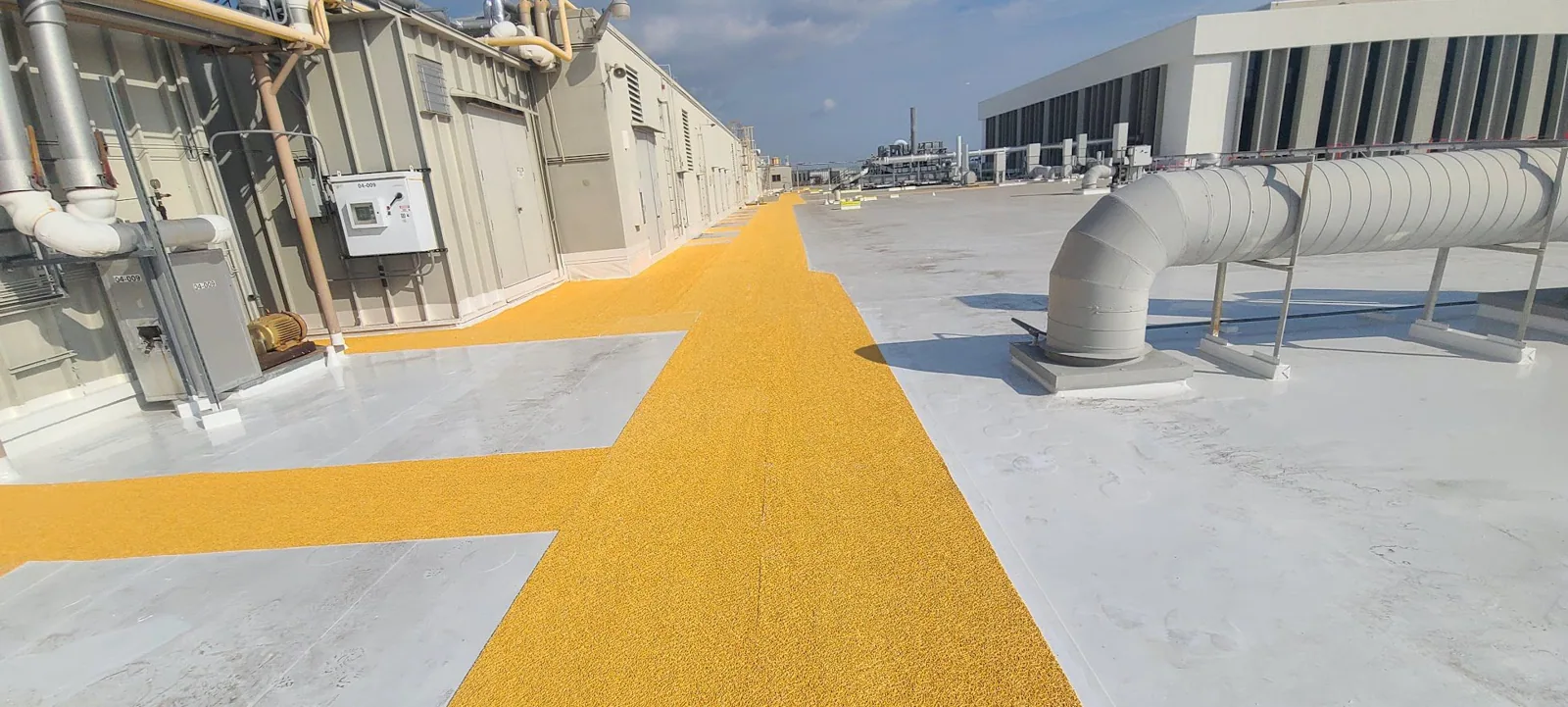
The scope should identify preparation, repairs, coating limits, drainage details, and any substrate that must be replaced. Photos show the before condition and finished transitions. After the stated cure period, a follow-up walk can check for damage from later service traffic or equipment work. We note where the coating meets older metal and where the owner should keep the drain clear. Those points give maintenance staff a practical list for the next roof review. If the roof is not a suitable candidate, we explain which finding prevents coating and compare a repair or replacement path instead. That gives the owner a decision based on assembly condition, not surface color.
Send product records, prior coating information, roof plans, leak locations, and access rules. We will check the membrane, moisture, drainage, and weather requirements before setting a restoration schedule. A condition report can retain coating dates and test areas; broader capital planning can compare roof sections that need different work.
Only where the membrane and surface preparation support a compatible bond. We identify the substrate and test adhesion before defining the application area.
Prolonged ponding may rule it out. We inspect drainage and compare the exposure with the selected system requirements before specifying a coating.
Application timing is set by product and weather limits. We stage the work to close each area safely and pause if conditions threaten film formation.
The seam should be repaired with a compatible detail before field coating. We check whether the membrane is moving or whether moisture below requires a larger repair.
We examine adhesion, moisture, seams, penetrations, slope, drains, and metal transitions. Records of earlier coatings and repairs help identify compatibility issues.
Send roof records, coating history, leak locations, and access details. We will test adhesion where needed, inspect the substrate and outlets, and define repairs before acrylic application.