Home / Roofing Capabilities / Commercial Roof Warranty Management
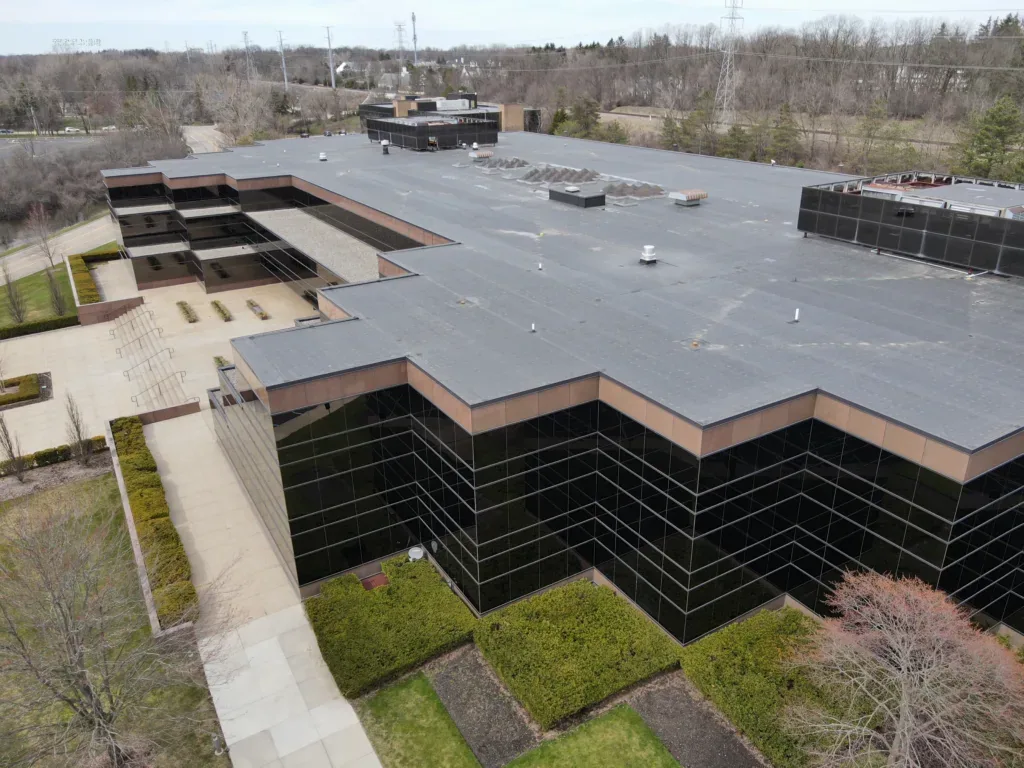
Share the issued warranty, roof plans, service history, open repair questions, and building contact. We will organize the records and identify missing documents or issuer questions for follow-up.
Start with the issued warranty and any attachments, amendments, inspection letters, approved detail sheets, and transfer paperwork. Record the named building or roof section, system description, effective date, term, issuer, coverage limits, and service contact. Confirm whether a certificate applies to the entire roof or only a defined phase. If a document is missing, illegible, or inconsistent with the roof records, keep that gap visible and request clarification from the issuing party.
A warranty label alone does not establish that every roof component is included. Membrane, insulation, metal, penetrations, workmanship, consequential damage, and maintenance obligations can be treated differently by the governing documents. We organize these terms for operational use without interpreting legal coverage or promising that a future claim will be accepted. When wording is unclear, refer the question to the manufacturer, installer, owner representative, or counsel as appropriate.
The roof asset record can store the warranty beside roof plans, inspection history, photographs, and repair records. Pairing the certificate with a condition report gives the team a dated baseline of visible conditions and inspection limits.
Warranty requirements vary. Some documents specify inspection frequency, notice deadlines, approved repair procedures, or restrictions on rooftop additions; others use different language. Build the calendar from the applicable certificate and confirm disputed interpretations with its issuer. Do not substitute a general industry schedule for a written requirement, and do not treat a maintenance checklist as confirmation that a warranty remains in force.
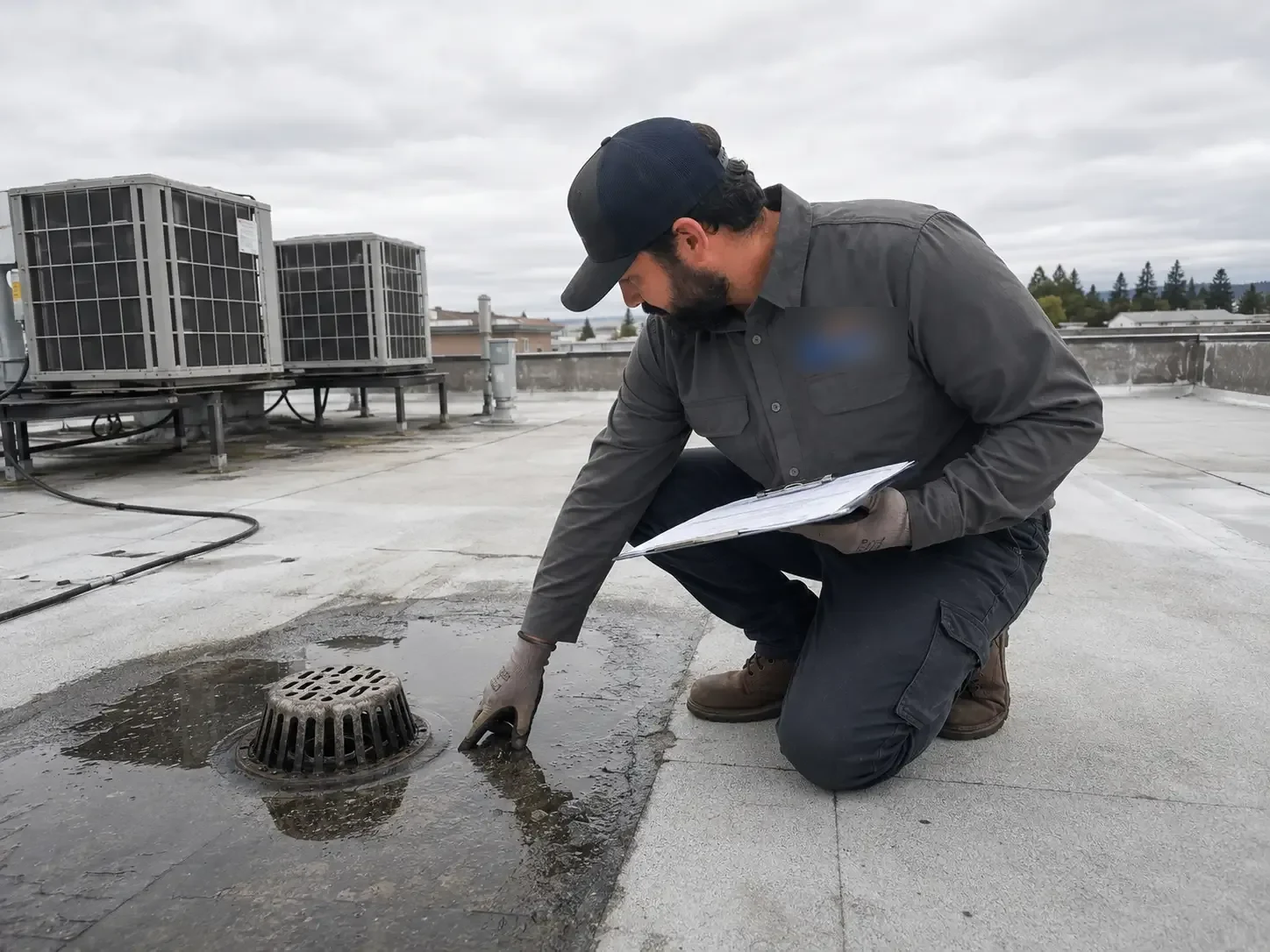
For each inspection, retain the date, roof areas accessed, observed conditions, weather or safety limits, photographs, recommendations, and follow-up status. If snow, equipment, or a closed production area prevents access, record the exception and reschedule the omitted area when practical. A preventive maintenance visit can support regular observation, while a commercial roof inspection can document current roof conditions. The chosen service should match the property need and the written requirements.
Facilities teams in the Mound corridor may manage industrial roofs with production windows and multiple penetrations. That describes the district's context, not any single building's system. Verify the actual roof map, access rules, and warranty documents for each address before setting the inspection plan.
A leak or damaged detail can call for prompt protection, but the warranty file should also document who was notified, when, and what response followed. Before permanent work alters a covered assembly, check the certificate for notice, authorization, approved-contractor, or repair documentation rules. The owner should not delay an urgent safety or water-control response while waiting on paperwork; record the condition, protective measure, contacts, and later permanent scope accurately.
Roof-mounted equipment, solar work, penetrations, coatings, recover systems, and changes to drainage can affect details that the original installer or issuer needs to review. Never infer approval from a conversation that lacks a written record. Keep submitted drawings, photographs, technical data, approval correspondence, and closeout documents together. A curb and support scope or solar-ready roof work should be coordinated against the actual roof assembly and project approvals before installation.
When there is an active opening, emergency roof repair can limit exposure while the permanent repair path is coordinated. Capture the original condition and temporary work, then clarify whether the issuer requires an inspection or follow-up submission. A claim decision follows the warranty terms and issuer review.
When a possible warranty issue appears, build a concise notice package. Include the certificate number if available, property and roof-area identification, first known date, current symptoms, photographs, access contact, and any temporary protection already in place. Distinguish the first report from the discovery date if the history is uncertain. Keep messages and submission receipts in the file so the team can confirm what was sent and when.
Do not state that a warranty defect exists before the issuer has reviewed it. Describe the condition and request the required inspection or response. If the owner commissions immediate work, preserve removed materials or detailed images when practical and safe, and document who authorized the repair. A commercial leak repair can investigate a reported condition, but the warranty decision remains with the responsible issuer under the governing terms.
Close the service item with the issuer's response, repair scope, completion date, contractor records, photographs, and any follow-up instruction. If an issue remains unresolved, record the outstanding question and next owner instead of marking it complete. This helps a new facilities manager distinguish a finished repair from an open coverage review.
Ownership changes and capital work can scatter roof records across facilities, accounting, construction, and vendor files. Maintain a one-page index for each roof system showing the certificate location, term dates, notice contact, required documents, open service items, and most recent inspection. Use clear filenames and retain the source document; a summary should point back to the original wording rather than replace it.
For transaction work, a roof due-diligence survey can identify missing records and visible conditions that warrant follow-up. For several sites, a multi-site roof program can use consistent file fields while keeping each building's warranty, assembly, and notice history separate. The Detroit Arsenal in Warren hosts Army organizations including TACOM and the Ground Vehicle Systems Center. Apply the same building-specific discipline to every portfolio asset.
Share issued certificates, amendments, roof plans, prior repair scopes, inspection records, current service questions, and the responsible contacts. We can help structure the file and surface missing evidence. Coverage conclusions, approvals, and legal interpretation must come from the party authorized under the contract.
Only the actual warranty terms can define required maintenance. Keep dated service records and ask the issuer when its conditions are unclear.
The certificate may limit who can perform certain work or require notice. Check its wording and confirm before a permanent alteration when time allows.
Include the certificate details, roof-area location, discovery timeline, photographs, symptoms, access contact, and a record of any temporary protection.
An inspection can document observed conditions. The issuer determines coverage under the applicable warranty terms.
List the gap, search ownership and contractor records, and request a certificate copy or status confirmation from the named issuer.
Share the issued warranty, roof plans, service history, open repair questions, and building contact. We will organize the records and identify missing documents or issuer questions for follow-up.